Blog
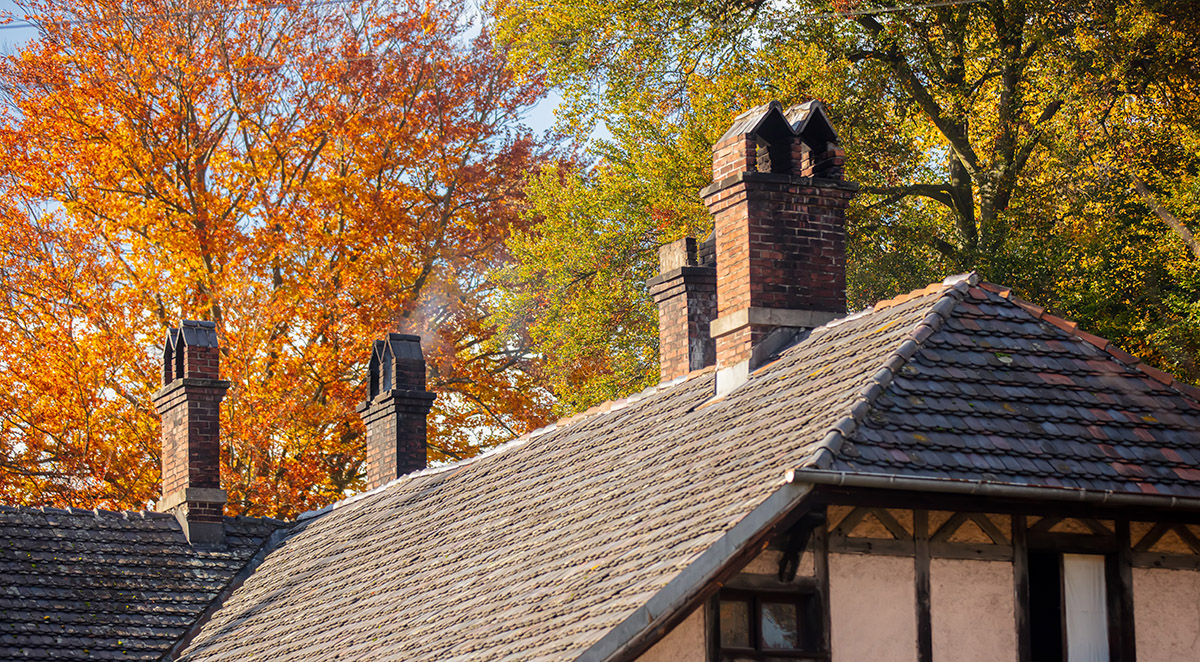
Pre-season chimney maintenance is the most valuable thing you can do for your heating system before the first cold snap arrives in Western North Carolina. Fall chimney preparation done in August or early September lets you correct problems calmly, on your own schedule, instead of discovering them on the first chilly evening in October. Homeowners who schedule chimney cleaning early get better availability, faster turnaround on repairs, and a system they can trust when temperatures drop.
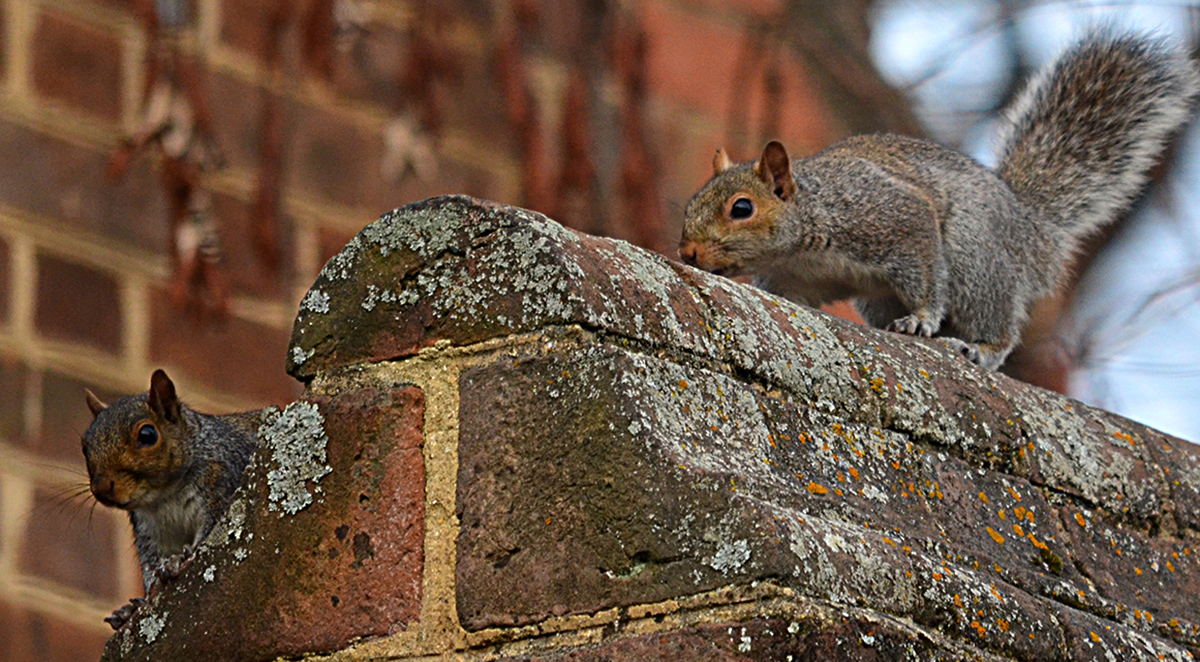
Summer in Western North Carolina brings warm evenings, active wildlife, and a quiet problem many homeowners never expect: animals in the chimney. When your fireplace sits unused through the warmer months, birds, raccoons, squirrels, and bats often see that open flue as the perfect shelter. Learning how to prevent birds in your chimney and understanding when chimney wildlife removal becomes necessary can save you from noise, odor, and costly structural damage down the road.
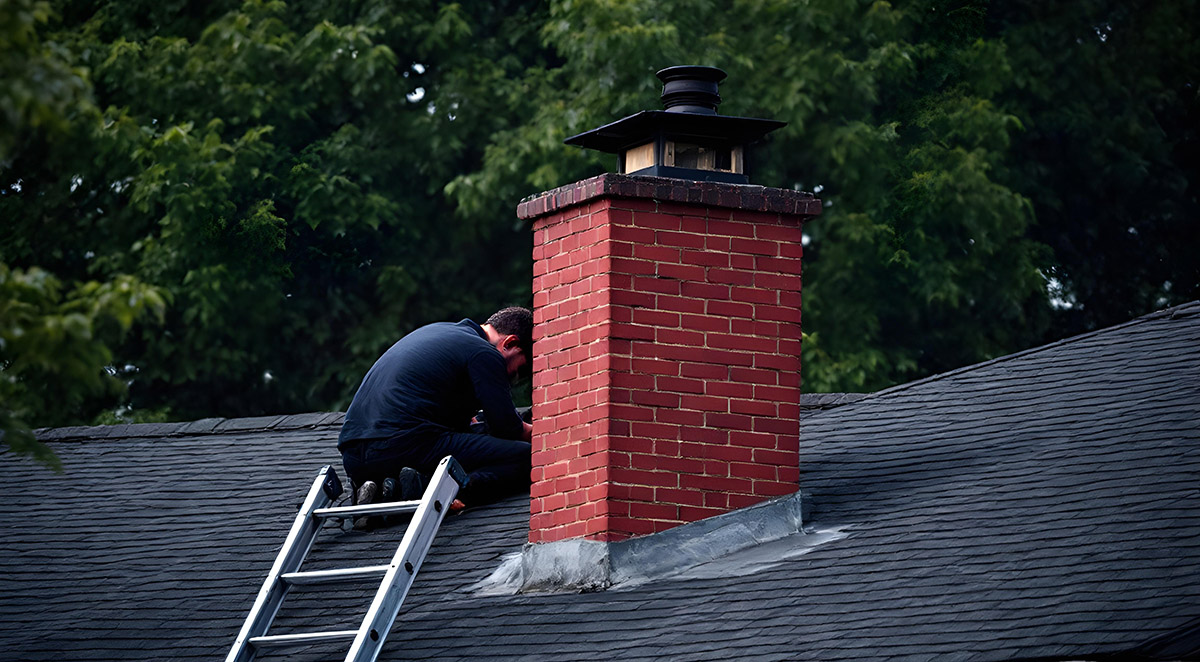
When the fireplace sits cold and unused through the summer months, chimney care is probably the last thing on your mind. Yet summer is one of the smartest times of year to schedule chimney service. The slower season opens up scheduling, gives technicians time to address problems thoroughly, and lets you head into next winter with complete confidence in your system.
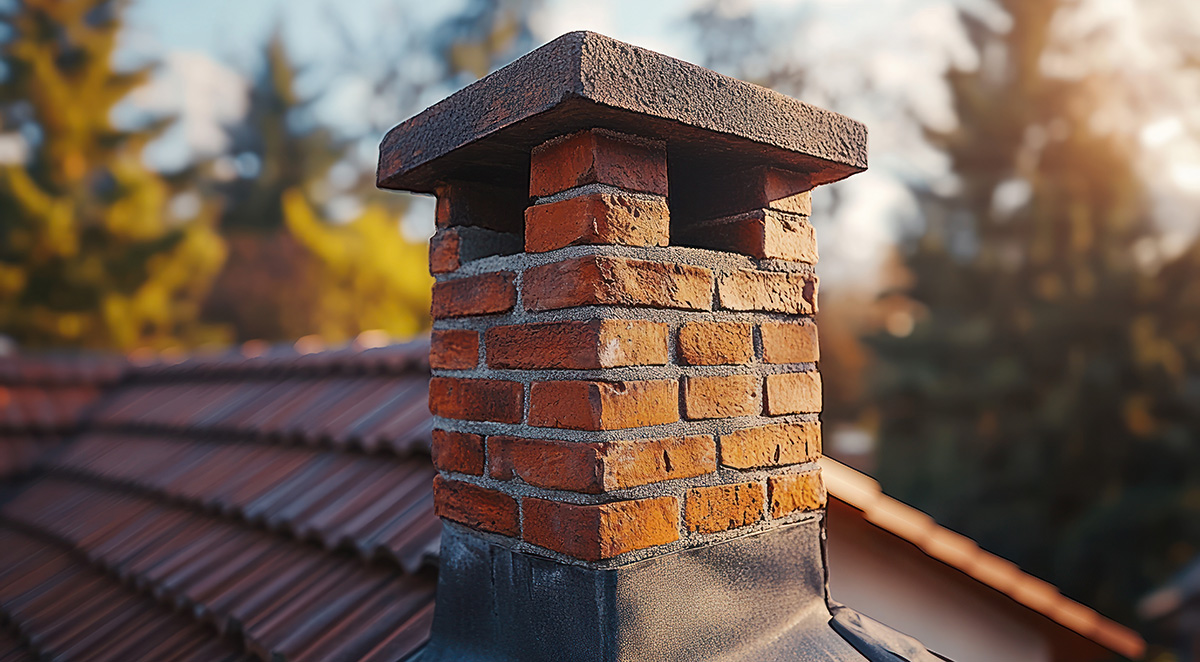
Spring in Western North Carolina arrives with some of the most persistent rainfall of the year. While you may be focused on opening windows and tending to your garden, your chimney is quietly facing a serious threat. Water is widely considered the single greatest enemy of masonry chimneys, and the spring season accelerates the damage that winter freeze/thaw cycles have already started. Whether you've noticed a stain on your ceiling or simply want to stay ahead of costly repairs, understanding chimney water damage is one of the most valuable things a homeowner can do.

The winter heating season puts tremendous stress on your chimney system, and spring is the perfect time to assess the wear and address any issues before they become costly problems. At Appalachian Chimney Service, we believe that 10% of what we do is the work itself, and 90% is educating homeowners about their chimney systems. That philosophy is exactly why we want you to understand what happens inside your chimney during winter and why post-winter chimney cleaning should be at the top of your spring to-do list.