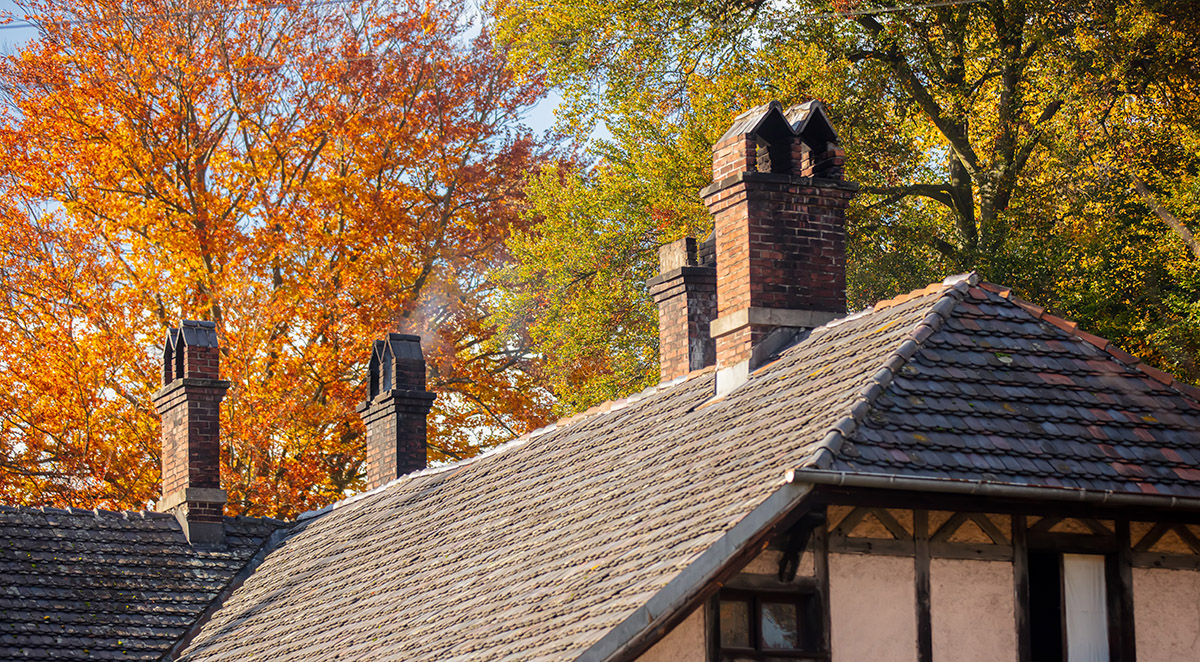
Pre-season chimney maintenance is the most valuable thing you can do for your heating system before the first cold snap arrives in Western North Carolina. Fall chimney preparation done in August or early September lets you correct problems calmly, on your own schedule, instead of discovering them on the first chilly evening in October. Homeowners who schedule chimney cleaning early get better availability, faster turnaround on repairs, and a system they can trust when temperatures drop.
At Appalachian Chimney Service, we believe an informed homeowner makes better decisions about their home. That philosophy shapes every pre-season visit our highly trained technicians perform. This checklist walks through how we approach that visit, what we typically find after months of summer disuse, and what you can inspect yourself before we arrive.
Quick Summary
- Late summer is the ideal window for service: weather is mild, schedules are open, and repairs can be finished before heating season.
- A pre-season visit covers the firebox, flue, liner, damper, crown, cap, flashing, and clearances against IRC and NFPA-211 standards.
- Summer disuse brings its own problems, including moisture damage, animal nesting, deteriorated mortar, and stale odors.
- Waiting until October or November means longer waits and tighter repair windows.
- Homeowners can check several ground-level and interior items, but flue and rooftop components require trained professionals.
- Careful first-fire procedures reveal problems early, while they are still small.
Why August and September Are Ideal for Chimney Service
Timing matters more in this trade than most homeowners expect. The work takes a few hours, but the conditions surrounding it determine how smoothly everything goes.
Mild Weather Makes Better Work Possible
Masonry repair, waterproofing, crown sealing, and mortar work all depend on temperature and moisture to cure correctly. Late summer offers warm, relatively dry conditions that let materials set the way manufacturers intend. The same repairs in November often mean delays, compromised results, or work that waits until spring.
Repairs Get the Time They Deserve
A pre-season inspection sometimes reveals work beyond cleaning, such as a cracked crown, a deteriorated liner, or a chase cover needing replacement. Finding those issues in August leaves room to plan, order materials, fabricate custom components in our own metal shop, and finish before you need heat. The same discovery in late fall compresses everything into a rush.
Your Fireplace Is Ready When You Are
Weather in the mountains rarely announces itself politely. A cool front can arrive in late September and have you reaching for the fireplace with no warning. Handling chimney cleaning and inspection ahead of that moment means the system is simply ready when you want it.
The Professional's Pre-Season Readiness Checklist
When our technicians arrive for a pre-season visit, we work through a consistent sequence grounded in IRC and NFPA-211 standards, which guide every recommendation we make. Here is what that inspection and cleaning covers:
- Firebox condition. Firebrick, mortar joints, and hearth checked for cracks, spalling, or gaps that let heat reach combustible framing.
- Damper function. The damper must open fully, close tightly, and hold position. Warped or rusted dampers are common after a humid summer.
- Smoke chamber and smoke shelf. Debris collects here through the off-season, and buildup directly affects how well your fireplace drafts.
- Flue interior and creosote levels. We measure buildup and remove it with professional-grade brushes, rods, and vacuum systems built for chimney work.
- Liner integrity. Camera inspection reveals cracks, gaps, and separations impossible to see from below.
- Chimney crown. Cracks let water into the masonry, where freeze and thaw cycles do expensive damage over winter.
- Cap and screen. A sound cap keeps rain, debris, and wildlife out. Missing or damaged caps are among our most frequent findings.
- Flashing and roof intersection. A leading source of water intrusion, especially on mountain homes with complex rooflines.
- Exterior masonry. Spalling brick, open joints, and staining that signal moisture moving behind the surface.
- Clearances and connections. For stoves and inserts, we verify pipe installation, connector condition, and clearance to combustibles, an area where we routinely find work done incorrectly by others.
Every finding is documented with photographs and interior camera imagery, so you see what we saw and understand why it matters.
Common Issues Found After Summer Disuse
A chimney sitting idle for five or six months is not a chimney at rest. It is an opening in your roof exposed to humidity, storms, and wildlife. The problems we find most often during fall chimney preparation include:
- Moisture damage and rust on dampers, connector pipe, and metal components after months of mountain humidity
- Animal nests and debris from birds, squirrels, and other wildlife that found an unprotected flue attractive in spring
- Deteriorated mortar joints worsened by summer thunderstorms and standing water
- Persistent odors from creosote reacting with warm, humid air and air conditioning downdrafts
- Blocked or restricted flues from leaves, twigs, and loose masonry fragments
- Water staining on interior walls near the chase, often the first visible sign of failing flashing or crown
Most of these are straightforward to correct when caught early. The trouble begins when they go unnoticed and a fire gets lit anyway. Our chimney repair and restoration team addresses these issues regularly across Haywood, Buncombe, Jackson, and surrounding counties.
The Importance of Scheduling Before the Rush
Every chimney company in the region sees the same pattern. Calls trickle in through summer, then arrive in a flood the week the first cold front crosses the Blue Ridge. From mid October through December, calendars fill quickly and the earliest available slot moves further out.
That congestion has real consequences. A cleaning that could have happened in three days now takes three weeks, and a repair needing fabrication or masonry work may not fit into the season at all. Scheduling chimney cleaning in late summer puts you in control of the timeline.
Early scheduling also means more of our attention. A less crowded calendar leaves time for the education we care most about, including walking you through your system and the maintenance you can handle yourself.
What Homeowners Can Check Themselves
You do not need to wait for an appointment to start paying attention. These checks are safe, need no special equipment, and give you useful information before we arrive:
- Look into the firebox with a flashlight and note cracked brick, crumbling mortar, or debris on the smoke shelf.
- Operate the damper by hand and confirm it moves freely and seals when closed.
- Check walls and ceilings near the chimney for water stains, peeling paint, or discoloration.
- View the chimney from the ground, watching for leaning, missing brick, dark staining, or a damaged or absent cap.
- Listen for scratching or rustling that suggests animals have moved in.
- Test smoke and carbon monoxide alarms and replace batteries before heating season.
- Confirm your firewood is seasoned, split, and stored off the ground under cover.
Read our blog about chimney links and water damage.
What to Leave to Highly Trained Technicians
Anything requiring roof access, flue measurement, camera inspection, or code judgment belongs to a professional. Creosote assessment is not a visual guess, since buildup is categorized by degree and the removal method depends on that classification. Liner condition, clearance verification, and identifying what a chimney is actually built from behind a decorative finish all require training and equipment homeowners do not have on hand.
Pre-Season Value and Accessible Service
We keep our pricing fair and market competitive, and we work to make chimney safety accessible to everyone in our community. We offer group discounts for neighbors who coordinate service together, a practical option in mountain neighborhoods and cabin communities, along with affordable arrangements for customers on fixed incomes.
For current availability and an estimate for your system, contact our team directly. If you are considering a new stove, insert, or hearth appliance this winter, our product selection is worth reviewing while installation calendars have room.
Frequently Asked Questions
How early is too early to schedule pre-season chimney maintenance?
There is no such thing as too early. August and September are ideal, but any time after your last winter fire keeps your system protected and gives repairs the mild weather they need.
Do I need an inspection if I only used my fireplace a few times last winter?
Yes. Inspection frequency depends on the calendar and system condition, not how many fires you built. Light use still leaves creosote deposits, and most off-season problems we find, including water damage and animal intrusion, have nothing to do with how much you burned last winter.
What is the difference between a cleaning and an inspection?
Cleaning removes creosote, soot, and debris from the flue and firebox. Inspection evaluates the condition and safety of the whole system against established code. Most homes benefit from both in one visit. Our Level 1 inspection is the standard annual evaluation for systems unchanged since the previous year.
Why does my chimney smell in the summer?
Warm, humid air combined with air conditioning downdrafts pulls odors from creosote deposits into the living space. Thorough cleaning addresses the source, and improving draft or adding a properly sized cap often helps considerably.
Can you fix problems the same day you find them?
Some items can be handled immediately, while others require materials, fabrication, or masonry work scheduled separately. This is exactly why late summer scheduling matters. A repair identified in August has time to be completed before you need heat.
What if I have a gas fireplace instead of wood?
Gas systems need annual attention too. Venting can become blocked, connections loosen, logs shift out of position, and pilot assemblies collect dust. We service gas fireplaces alongside wood-burning systems throughout Western North Carolina. Read our blog about gas vs. wood fireplaces and the maintenance difference.
https://appalachianchimneyservice.com/blog/gas-vs-wood-fireplaces-pros-cons-and-maintenance-differences
How long does a pre-season appointment take?
Most cleaning and Level 1 inspection visits take one to two hours, depending on the system, roof access, and buildup. We protect your home with drop cloths and specialized vacuum equipment throughout, then review our documentation with you.
Get Ahead of the Season
The homeowners who enjoy their fireplaces most are the ones who never think about them in a panic. They schedule pre-season chimney maintenance in late summer and light the first fire in October with confidence.
For a deeper look at seasonal readiness, our guide to preparing your chimney this fall covers the pre-winter checklist in more detail. When you are ready to get on the schedule, reach out to Appalachian Chimney Service and let our highly trained technicians take fall chimney preparation off your list.