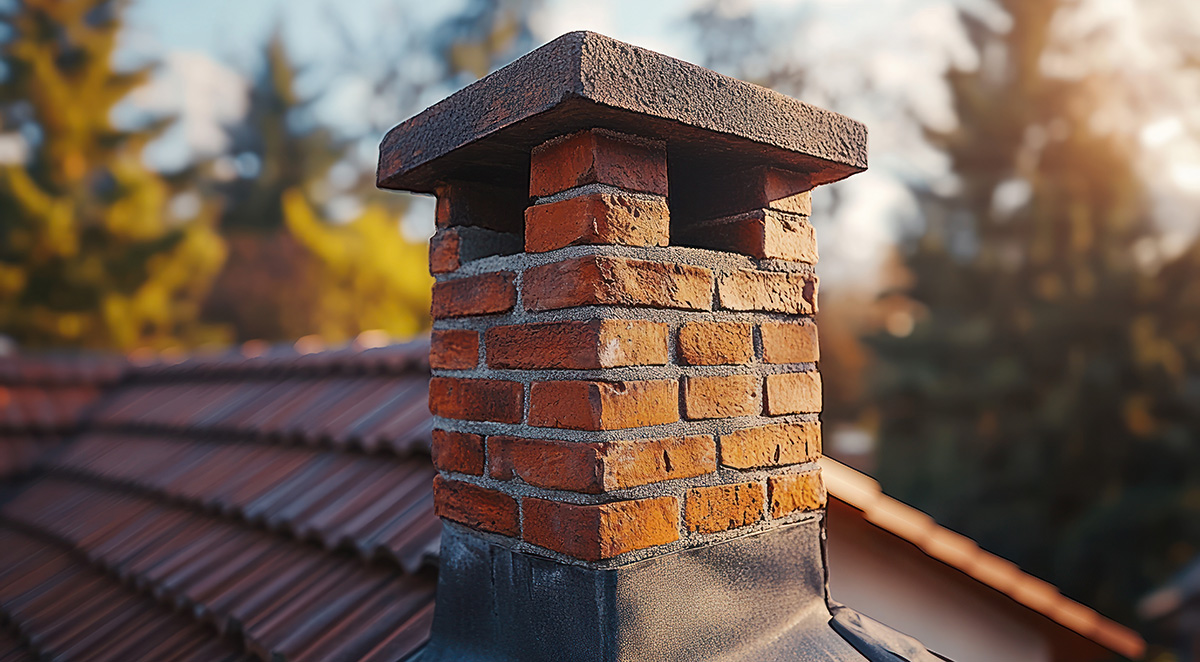
Spring in Western North Carolina arrives with some of the most persistent rainfall of the year. While you may be focused on opening windows and tending to your garden, your chimney is quietly facing a serious threat. Water is widely considered the single greatest enemy of masonry chimneys, and the spring season accelerates the damage that winter freeze/thaw cycles have already started. Whether you've noticed a stain on your ceiling or simply want to stay ahead of costly repairs, understanding chimney water damage is one of the most valuable things a homeowner can do.
Quick Summary
- Water enters chimneys through flashing gaps, cracked crowns, missing caps, and deteriorated masonry
- Warning signs include ceiling stains, efflorescence, musty odors, and spalling bricks
- Condensation and active leaks require different approaches but both need professional attention
- Professional waterproofing, proper flashing, a quality cap, and a sound crown form a complete water defense system
- Delaying repairs significantly increases the scope and cost of restoration work
How Water Enters and Damages Your Chimney
Your chimney looks like a solid, impenetrable structure from the outside, but it is actually full of vulnerabilities that water is quick to exploit. Masonry materials are porous by nature, meaning brick and mortar absorb moisture during rain and release it during dry periods. Over time, especially through repeated freeze/thaw cycles, this cycle of absorption and expansion gradually breaks down the structural integrity of your chimney.
There are several primary entry points where chimney water damage begins:
- Flashing failures: The metal flashing at the roofline junction is the most common source of chimney leaks, especially as caulk and metal age and separate
- Damaged or missing chimney cap: Without a properly fitted cap, rainwater falls directly into the flue opening
- Cracked or deteriorated chimney crown: The concrete crown at the top of your chimney can crack over time, allowing water to seep into the masonry below
- Spalling or cracked bricks: Exposed brick faces and crumbling mortar joints allow water infiltration across the chimney's surface
- Compromised mortar joints: Deteriorated mortar between bricks is one of the fastest routes for water to migrate deep into the chimney structure
Once water gets in, the consequences compound quickly. Chimney water damage doesn't stop at the masonry. It can cause rusting of metal components like dampers and liners, rotting of adjacent wood framing inside your walls, mold and mildew growth, staining on interior walls and ceilings, and in serious cases, a collapsed hearth support or cracked flue lining system.
Signs of Water Damage to Watch For
One of the most frustrating aspects of chimney water damage is that it often develops silently behind walls and inside the chimney structure before any obvious signs appear. Knowing what to look for can help you catch problems early and avoid a much larger repair bill.
Interior Warning Signs
- Water stains or discoloration on ceilings or walls near the chimney
- Peeling or bubbling paint and damaged wallpaper in rooms adjacent to the fireplace
- A musty or damp odor near the fireplace, especially after rain
- Rust stains inside the firebox or on the damper
- Efflorescence (white mineral deposits) appearing on the exterior brick surface
Exterior Warning Signs
- Spalling bricks with faces that are flaking or popping off
- Crumbling or missing mortar joints
- Visible cracks in the chimney crown
- Flashing that appears bent, rusted, or separated from the chimney
- Water pooling on the roof near the chimney base
If you're seeing any combination of these symptoms, it's time to schedule a professional inspection. Learn more about what a comprehensive inspection involves by visiting our chimney cleaning and inspection page.
Flashing, Crown, and Cap: Your Chimney's First Line of Defense
Flashing
Flashing is the watertight metal junction between your chimney and your roof. When it is properly installed and maintained, it channels water away from the vulnerable intersection of two very different building surfaces. When flashing fails, water has an open pathway directly into your home's structure.
A complete and properly functioning flashing system includes step flashing integrated with the roof shingles, counter flashing embedded into the chimney masonry, and in some cases, a cricket or saddle structure built on the upslope side of larger chimneys to divert water around them. Signs that your flashing needs attention include visible gaps, rust, loose sections, or missing caulk at the seams.
The Chimney Crown
The chimney crown is the concrete cap that covers the top of your chimney, spanning from the flue liner to the outer edge of the masonry. It is designed with a slight overhang and slope so that rainwater sheds away from the chimney rather than pooling on top of it. A well-built crown also includes expansion joints to allow for natural movement without cracking.
Over time, crowns can develop hairline cracks that widen with each freeze/thaw cycle. Minor cracks can often be addressed with crown sealing or a flexible waterproof crown coating. More significant damage may require rebuilding the crown entirely using high-quality concrete mixtures and proper construction techniques. Explore the full range of chimney repair and restoration services we offer to address crown damage and other structural concerns.
Chimney Caps
A chimney cap sits directly over the flue opening and serves as the first barrier against rain entering your chimney system. Beyond blocking direct rainfall, a quality cap also keeps out animals, debris, and wind-driven moisture. Without one, even a brief rainstorm can send water cascading down the flue and into the firebox. Replacing or upgrading a chimney cap is one of the most straightforward and cost-effective steps in any water protection strategy.
Masonry Waterproofing Techniques
Even when flashing, crown, and cap are in good condition, the masonry surface itself remains porous and vulnerable to water absorption. This is where professional chimney waterproofing becomes essential, particularly in a climate like Western North Carolina's where freeze/thaw cycles are common throughout late fall, winter, and early spring.
At Appalachian Chimney Service, we use ChimneySaver waterproofing products exclusively. ChimneySaver is specifically designed for masonry chimneys and outperforms generic sealers available at hardware stores in several important ways:
- Penetration reduction: ChimneySaver reduces water penetration by 99.9% according to ASTM testing standards
- Vapor permeability: It allows the chimney to continue "breathing," letting trapped moisture vapor escape rather than sealing it inside
- Siloxane-based formula: Creates an invisible barrier that protects the masonry without altering its appearance
- Long-lasting coverage: Provides more than 10 years of protection with proper application
- UV stability: Resistant to breakdown from sun exposure
The waterproofing process is not simply a matter of spraying a product on. Our highly trained technicians first clean the masonry thoroughly, address any existing damage, and then apply ChimneySaver to all exposed surfaces according to manufacturer specifications. Attempting to waterproof over existing cracks or deteriorated mortar locks problems in rather than solving them.
Long-Term Prevention Strategies
Addressing immediate damage is important, but the goal of a sound chimney maintenance program is prevention. Spring is an ideal time to invest in your chimney's long-term protection because winter weather has already done its stress testing and summer drying conditions are ideal for waterproofing applications.
A comprehensive long-term prevention approach includes:
- Annual professional inspections to catch minor issues before they escalate
- Prompt repointing of deteriorated mortar joints to stop water infiltration
- Maintaining a properly fitted cap year-round
- Scheduling waterproofing application every 10 years or as recommended
- Keeping the area around the chimney base clear of debris that holds moisture
For a broader look at maintaining your chimney after a demanding winter, our spring chimney maintenance guide is a helpful resource.
The Cost of Delaying Water Damage Repairs
When fix leaking chimney concerns are put off, what begins as a manageable repair can evolve into a substantial reconstruction project. A small crown crack that costs relatively little to seal today can, over a single winter, allow enough water infiltration to damage the smoke chamber, rust out a damper, and compromise the flue liner. Each of those components carries its own significant repair cost.
Beyond the chimney itself, water that migrates into wall cavities can cause wood rot and mold growth that extends well beyond the chimney structure. What started as a chimney problem becomes a home interior problem. Insurance policies often have exclusions for water damage that results from deferred maintenance, meaning the financial burden falls entirely on the homeowner.
Acting at the first sign of trouble or investing in preventive services before damage occurs is consistently the more economical choice. Contact Appalachian Chimney Service to schedule an assessment and get an accurate picture of your chimney's current condition.
Frequently Asked Questions
How can I tell if my chimney is leaking or if it's just condensation?
The timing is usually your best clue. Leaks from flashing failures or crown damage typically produce moisture or stains that appear during or shortly after rainfall. Condensation tends to occur when the appliance is running and is not connected to rain events. A professional inspection is the most reliable way to confirm the source.
Is chimney waterproofing safe for all types of masonry?
Professional-grade waterproofing products like ChimneySaver are specifically formulated for use on masonry chimneys. They are vapor-permeable, meaning they will not trap moisture inside the chimney structure. Generic waterproofing products from hardware stores are often film-forming and can actually cause damage by sealing moisture in.
Can I waterproof my chimney myself?
Surface application is technically possible for a homeowner, but effective chimney waterproofing requires proper surface preparation, the correct product choice, and complete coverage of all masonry surfaces. Applying waterproofing over damaged or cracked masonry will not prevent water infiltration and can mask problems that continue to worsen. Professional application ensures the job is done correctly and safely.
How often should flashing be inspected or replaced?
Flashing should be inspected annually as part of a routine chimney inspection. Properly installed metal flashing can last for decades, but the caulk and sealants used at the seams typically need maintenance every five to ten years. Poorly installed flashing may need full replacement sooner.
What is efflorescence and does it mean my chimney has a water problem?
Efflorescence is the white, chalky deposit that appears on brick surfaces when water moves through the masonry and carries dissolved salts to the surface as it evaporates. It is a reliable indicator that water is actively moving through your chimney's masonry. It does not always indicate a serious structural problem on its own, but it does confirm that water infiltration is occurring and warrants professional evaluation.
Does a new chimney cap really make a difference?
Absolutely. A properly sized and installed chimney cap prevents direct rainfall from entering the flue, which is one of the most significant contributors to interior chimney damage. Caps also stop animals and debris from entering and can reduce wind-driven downdrafts. They are a modest investment with an outsized impact on the long-term health of your chimney system.
Conclusion
Chimney water damage is a progressive problem. What begins as a small crack or a slightly separated flashing joint quietly advances with every rainstorm and freeze/thaw cycle until it becomes a costly structural issue. Spring is the season to assess how your chimney weathered the winter and to put a protection plan in place before the next round of heavy rain arrives.
At Appalachian Chimney Service, our highly trained technicians are equipped to assess every aspect of your chimney's water vulnerability, from the condition of your flashing and crown to the health of your masonry surface. Reach out through our contact page to schedule your inspection and find out exactly what your chimney needs to stay dry and structurally sound for years to come.