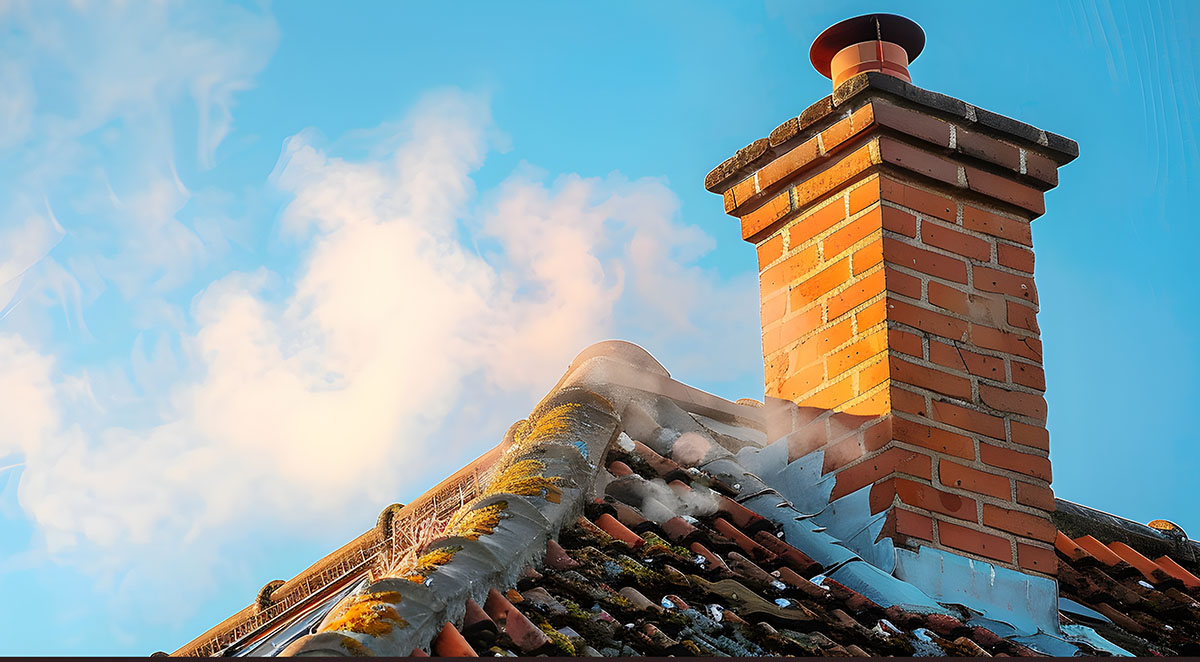
The winter heating season puts tremendous stress on your chimney system, and spring is the perfect time to assess the wear and address any issues before they become costly problems. At Appalachian Chimney Service, we believe that 10% of what we do is the work itself, and 90% is educating homeowners about their chimney systems. That philosophy is exactly why we want you to understand what happens inside your chimney during winter and why post-winter chimney cleaning should be at the top of your spring to-do list.
Why Spring Is the Ideal Time for Chimney Maintenance
Many homeowners think about their chimneys only when temperatures start dropping in the fall. While pre-season inspections are certainly important, scheduling your chimney spring cleaning after heavy use offers several distinct advantages.
Addressing problems promptly prevents them from getting worse over summer. Moisture, creosote, and structural issues don't pause just because you've stopped building fires. The warm, humid conditions of a Western North Carolina summer can actually accelerate deterioration, particularly when moisture is already present inside the system. A chimney with minor mortar cracks in March could have significant water damage by September if those cracks go unaddressed.
Spring also offers a more comfortable window for roof-level work. Our highly trained technicians can perform thorough exterior inspections and repairs without battling icy winter conditions or intense summer heat. And during the off-season, professional chimney service companies like ours typically have the most availability, meaning you avoid the fall rush and ensure your system is ready long before you need it again. Read our blog about the hidden dangers of a dirty chimney, beyond fire hazards.
Post-Winter Inspection Checklist
A thorough post-winter inspection is the foundation of effective spring chimney maintenance. Both the National Fire Protection Association (NFPA) and the Chimney Safety Institute of America (CSIA) recommend that all chimneys, fireplaces, and venting systems be inspected at least once per year, regardless of how often they are used.
Here's what a professional post-winter chimney inspection should cover:
- Exterior masonry condition — checking for cracked, chipped, or spalling bricks and deteriorated mortar joints caused by winter's freeze-thaw cycles
- Chimney crown integrity — examining the cap at the top of the chimney for cracks that could allow water infiltration
- Chimney cap and spark arrestor — ensuring the cap is secure, undamaged, and free from debris or animal nesting material
- Flashing condition — inspecting the seal between the chimney and the roof for gaps, rust, or lifting
- Flue liner assessment — looking for cracks, deterioration, or gaps in the liner that could allow heat or gases to reach combustible materials
- Damper operation — testing that the damper opens and closes properly
- Firebox inspection — examining the interior walls and floor for cracks or heat damage
At Appalachian Chimney Service, our inspections follow IRC and NFPA-211 standards. We also use advanced Chim-Scan® video inspection technology to identify problems that a standard visual inspection might miss. Every inspection includes before-and-after documentation so you have a complete picture of your chimney's condition.
Cleaning Needs After Heavy Winter Use
A season of regular fireplace or wood stove use means a season of creosote accumulation inside your flue. Creosote is the dark, tar-like substance that forms when wood smoke condenses on the cooler interior walls of your chimney. It is highly flammable, and excessive buildup is one of the leading causes of chimney fires. According to the NFPA, heating equipment is responsible for an average of approximately 48,530 home fires per year, resulting in an estimated 500 deaths, 1,350 injuries, and $1.1 billion in direct property damage (J.S. Held, 2024).
The CSIA recommends cleaning when even one-eighth of an inch of sooty buildup is visible inside the chimney. After a full winter of use, most chimneys will have exceeded that threshold. Our professional chimney cleaning process includes:
- Thorough preparation — protecting your home with drop cloths and specialized equipment to keep your living space clean
- Industry-standard cleaning — using professional-grade brushes, rods, and vacuum systems designed specifically for chimney cleaning
- Targeted creosote removal — addressing dangerous buildup in accordance with NFPA 211 standards, including the use of Poultice Creosote Remover (PCR) for stubborn glazed deposits when necessary
- Post-cleaning verification — confirming that all hazardous materials have been removed and your system is functioning properly
Leaving creosote in your chimney over summer creates additional risks beyond fire. The combination of moisture and creosote creates an acidic mixture that can eat away at your flue liner, potentially creating pathways for dangerous gases like carbon monoxide to enter your home. Read our blog about preventing chimney fires.
Addressing Winter Weather Damage
Western North Carolina's mountain winters bring cold temperatures, precipitation, and rapid temperature swings that take a serious toll on chimney systems. The freeze-thaw cycle is one of the most destructive forces your masonry chimney faces. Water enters small cracks or porous surfaces in your brickwork, freezes and expands as temperatures drop, then contracts when it thaws, leaving behind wider cracks and weakened mortar (Best Chimney, 2026). This process repeats with every temperature fluctuation, and the damage compounds over time.
Common signs of winter damage include spalling bricks (flaking or crumbling brick faces), deteriorated mortar joints, efflorescence (white powdery staining on brick surfaces), chimney crown cracks, water stains on interior walls near the chimney, and damaged flashing where the chimney meets the roofline.
Our team provides comprehensive chimney repair and masonry restoration to address all of these issues. We also offer waterproofing services that apply a vapor-permeable sealant to repel liquid water while still allowing the masonry to breathe, a critical distinction that prevents trapped moisture from causing further damage.
Preparing for the Off-Season
Once your chimney has been inspected, cleaned, and repaired as needed, a few additional steps will properly prepare your system for the warmer months.
A properly fitted chimney cap is essential year-round but especially important during the off-season. Without one, your chimney is an open invitation to rain, debris, and animals looking for a nesting spot. At Appalachian Chimney Service, we fabricate custom chimney caps and chase covers right in our own metal shop, ensuring a precise fit that provides superior protection compared to off-the-shelf options.
Make sure your damper closes fully when the fireplace is not in use. This prevents conditioned air from escaping up the chimney, keeps moisture and pests out, and helps with energy efficiency. If you have a wood-burning system, spring is also a good time to remove leftover ash from the firebox. Ash sitting over the summer absorbs moisture and creates a corrosive paste that can damage the firebox floor.
Benefits of Off-Peak Service Scheduling
During peak season in the fall, chimney service companies across Western North Carolina are often booked weeks in advance. By scheduling your post-winter chimney cleaning in the spring, you gain flexible scheduling and the peace of mind that your system is ready whenever cold weather returns.
Spring service also gives you time to plan and budget for any necessary repairs. If your inspection reveals a cracked flue liner, deteriorated crown, or masonry damage, you'll have months to address those problems rather than rushing before the cold arrives. Catching problems early almost always saves money. A small crown crack repaired in spring could require a complete rebuild if left through another cycle of summer rain and winter freezing.
Frequently Asked Questions About Spring Chimney Maintenance
How soon after winter should I schedule my chimney inspection?
We recommend scheduling your post-winter chimney cleaning and inspection as soon as you're done using your fireplace for the season, typically March or April for most Western North Carolina homeowners. The sooner you address winter damage or creosote buildup, the less chance those issues have to worsen.
Can I inspect my chimney myself, or do I need a professional?
Homeowners can look for visible signs of exterior damage, but a professional inspection is essential for evaluating the flue liner, internal masonry, smoke chamber, and other critical components. These require the expertise and equipment — including video scanning technology — that our highly trained technicians bring to every visit.
How often should my chimney be cleaned?
Both the NFPA and the CSIA recommend annual inspections, with cleaning performed as needed. If you use your fireplace or wood stove regularly throughout winter, you will almost certainly need a cleaning each year. The type of wood you burn, your appliance's efficiency, and frequency of use all affect how quickly creosote accumulates.
What happens if I skip spring maintenance and wait until fall?
Any winter damage such as cracks, creosote buildup, moisture issues will continue to worsen through summer. You also risk not getting a fall appointment during the busy season, potentially leaving you without a safe chimney when you need it most.
Is spring maintenance necessary for gas fireplaces too?
Yes. While gas fireplaces don't produce creosote, they still require annual inspection. The gas valve, thermocouple, pilot assembly, and venting system all need to be checked for safe operation. Winter weather also affects the exterior masonry of gas fireplace systems just as it does wood-burning setups.
What is the freeze-thaw cycle, and why does it matter?
The freeze-thaw cycle occurs when water seeps into porous brick and mortar, freezes and expands during cold nights, then thaws during warmer days. This repeated expansion and contraction weakens masonry over time, leading to cracking, spalling, and deteriorated mortar joints. In Western North Carolina's mountain climate, where temperatures can swing significantly between day and night, this cycle is particularly damaging.
Protect Your Home This Spring
Your chimney worked hard all winter to keep your family warm. Now it's time to return the favor with the care it needs to stay safe and functional for years to come. Appalachian Chimney Service has been serving homeowners throughout Western North Carolina with over 20 years of industry experience. Led by owner Jason Wixson, our team combines expert craftsmanship with a genuine passion for educating homeowners about their chimney systems.
Don't wait for the fall rush. Contact Appalachian Chimney Service today to schedule your spring chimney inspection and cleaning.