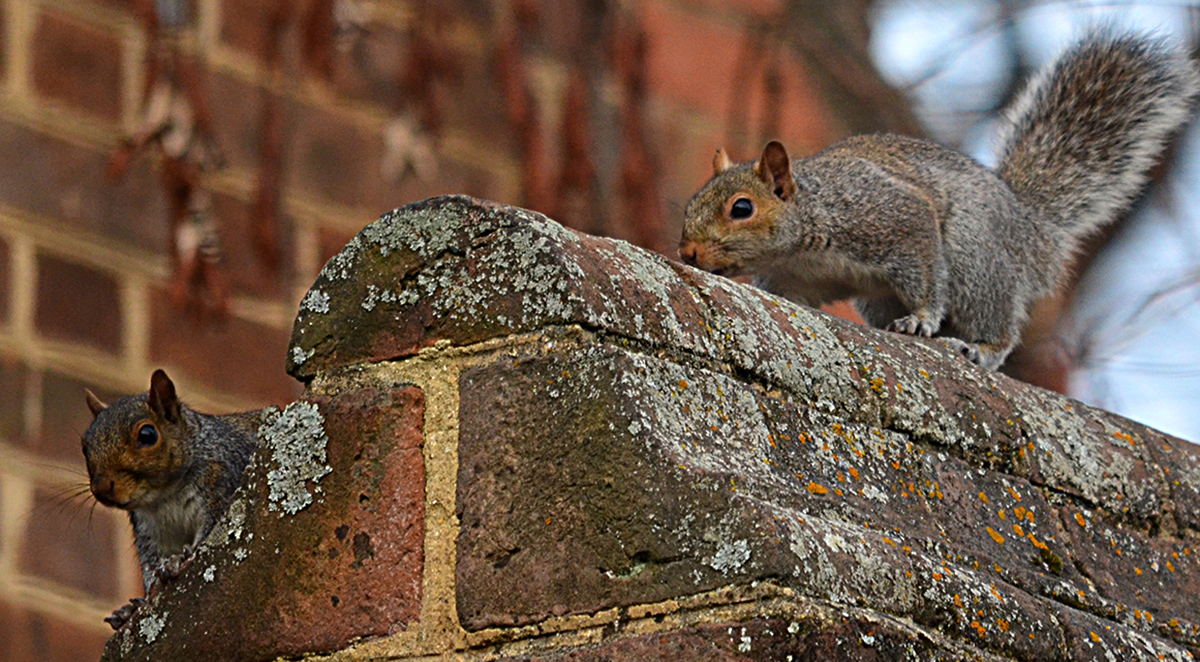
Summer in Western North Carolina brings warm evenings, active wildlife, and a quiet problem many homeowners never expect: animals in the chimney. When your fireplace sits unused through the warmer months, birds, raccoons, squirrels, and bats often see that open flue as the perfect shelter. Learning how to prevent birds in your chimney and understanding when chimney wildlife removal becomes necessary can save you from noise, odor, and costly structural damage down the road.
At Appalachian Chimney Service, we want you to understand your chimney system, recognize the early warning signs of an intrusion, and know how to protect both your home and the animals that occasionally wander into it. This guide walks you through everything you need to know about summer wildlife concerns.
Quick Summary
- Summer is peak season for animals entering unused chimneys in search of shelter and nesting sites.
- Common intruders include chimney swifts, starlings, raccoons, squirrels, and bats.
- Scratching, chirping, foul odors, and debris in the firebox are all signs of an animal intrusion.
- Some species, including chimney swifts, are federally protected and cannot be removed while nesting.
- A properly fitted chimney cap with mesh screening is the single most effective long-term prevention.
- Professional inspection helps determine when to call a chimney service versus a licensed wildlife control operator.
Common Chimney-Dwelling Animals
Chimneys mimic the hollow trees and rocky crevices that many animals use in the wild. The warmth, height, and enclosed structure make an uncapped flue especially attractive during nesting season. Knowing which animals tend to move in helps you respond appropriately.
Birds
Birds are the most frequent chimney guests, particularly in summer. Chimney swifts are notable because they naturally nest inside masonry flues and are federally protected. Other common birds include:
- Chimney swifts, which build small nests attached to the flue wall
- European starlings, which often nest in groups and create heavy debris
- Pigeons and other species drawn to the shelter of an open chimney
Mammals
Larger animals can also find their way inside, especially when a chimney has no cap. Raccoons frequently choose chimneys as a safe den for raising young, while squirrels may fall in and become trapped. Bats sometimes roost in chimneys and attics, and their presence carries specific health and legal considerations.
Signs of an Animal Intrusion
Most homeowners discover an animal problem by sound before they ever see anything. Because a fireplace often goes untouched in summer, an intrusion can go unnoticed for weeks. Pay attention to these warning signs:
- Scratching, scurrying, or fluttering sounds coming from the flue
- Chirping or squeaking, which often signals young animals in a nest
- Strong, unpleasant odors from droppings, urine, or a deceased animal
- Debris such as twigs, leaves, or nesting material in the firebox
- A rustling that intensifies in the early morning or at dusk
If you notice any of these signals, avoid lighting a fire. Doing so can harm trapped animals, create dangerous smoke backups, and worsen the situation. A professional chimney inspection is the safest first step toward identifying what is actually inside.
Humane Removal Methods
Removing an animal safely protects both your family and the creature involved. The right method depends heavily on the species, whether young are present, and how the animal entered. In general, the process follows a few core principles.
- Identify the animal and confirm whether it is nesting or simply trapped.
- Determine whether the species is protected under federal or state law.
- Allow self-exit whenever possible, since many trapped animals will leave on their own once given a clear path.
- Use one-way exclusion devices for certain species, which let animals leave but not re-enter.
- Schedule a thorough cleaning and inspection once the chimney is confirmed empty.
Never attempt to smoke an animal out or force it down into your home. These approaches are inhumane, frequently illegal, and often lead to injured animals or a bigger mess inside your living space. When an intrusion involves young, protected species, or an animal that cannot free itself, professional help is essential.
Prevention Through Proper Caps and Screens
The best solution to an animal intrusion is making sure one never happens. A quality chimney cap fitted with mesh screening blocks entry while still allowing smoke and gases to vent properly. This single upgrade addresses the vast majority of wildlife problems.
A well-designed cap and screen system offers several layers of protection:
- Mesh screening keeps birds, squirrels, and raccoons from entering the flue
- A solid top cover prevents rain, debris, and nesting material from collecting inside
- A properly sized fit stops animals from squeezing through gaps around the edges
At Appalachian Chimney Service, our custom metal fabrication team builds chimney caps, chase covers, and shrouds sized specifically for your chimney rather than relying on loose, one-size-fits-all products. A precise fit matters, because animals are remarkably good at exploiting even small openings. Pairing the right cap with a spark arrester also improves fire safety while keeping wildlife out.
Damage Animals Can Cause to Chimneys
An animal intrusion is more than a nuisance. Left unaddressed, wildlife can create real structural and safety problems throughout your chimney system. Understanding the potential damage highlights why prevention pays off.
- Nesting materials and debris create blockages that trap smoke and carbon monoxide
- Acidic droppings and urine can deteriorate masonry, mortar, and metal components
- Accumulated organic material becomes a serious fire hazard when a fireplace is lit
- Droppings from birds and bats may carry health risks that require careful cleanup
- Trapped or deceased animals produce lingering odors and attract insects
Blockages are especially dangerous because they interfere with proper venting. A flue partially obstructed by a nest cannot safely carry combustion byproducts out of your home. This is one more reason the hidden dangers of a neglected chimney extend well beyond the obvious fire risk.
It’s a good idea to check for leaks if animals have damaged your chimney. Read our blog about chimney leaks and water damage.
Legal Considerations for Protected Species
Wildlife removal is not always as simple as clearing out an unwanted guest. Several species that commonly use chimneys are protected by law, and removing them at the wrong time can carry significant penalties.
Chimney swifts are protected under the federal Migratory Bird Treaty Act. Once these birds have built an active nest with eggs or young, it is illegal to disturb, remove, or relocate the nest until the birds have fledged and left on their own. In practice, this means you may need to wait several weeks before any work can proceed.
Bats also receive legal protection in many areas, and some species face additional restrictions due to conservation concerns. Timing and method matter greatly, because improper exclusion during maternity season can trap young animals inside. When protected species are involved, the safest and most responsible path is to consult professionals who understand the applicable regulations.
When to Call a Professional vs. Wildlife Control
Knowing who to call saves time and prevents mistakes. Chimney professionals and licensed wildlife control operators serve different but complementary roles, and many intrusions require both.
Reach out to a licensed wildlife control operator when:
- An animal is actively nesting or raising young inside the flue
- A protected species such as chimney swifts or bats is present
- Live trapping or hands-on removal of the animal is required
Contact a chimney professional like our highly trained technicians when:
- You need an inspection to confirm what is inside and assess any damage
- The chimney requires cleaning and sanitizing after an animal has left
- You want to install a cap, screen, or chase cover to prevent future intrusions
- Nesting debris has caused a blockage or structural concern
Our highly trained technicians focus on the chimney itself: inspecting the system, removing debris and blockages, repairing damage, and installing the protective components that keep wildlife out for good. For the removal of live or protected animals, we recommend coordinating with a licensed wildlife control specialist so every step stays safe and legal.
Frequently Asked Questions
How do I know if I have animals in my chimney?
Listen for scratching, fluttering, or chirping sounds, and watch for foul odors or debris in the firebox. Because summer intrusions often go unnoticed, a professional inspection is the most reliable way to confirm whether animals are present.
Can I just light a fire to get rid of the animal?
No. Lighting a fire can harm trapped or nesting animals, is illegal for protected species, and may push smoke back into your home if a blockage exists. Always have the chimney inspected first.
Are chimney swifts really protected?
Yes. Chimney swifts are protected under the federal Migratory Bird Treaty Act, which makes it illegal to disturb an active nest until the young have naturally left. Prevention with a proper cap before nesting season is the best approach.
What is the most effective way to prevent birds in my chimney?
A correctly sized chimney cap with mesh screening is the most effective prevention. It blocks entry for birds, squirrels, and raccoons while allowing your chimney to vent properly.
Does an animal intrusion require chimney repair?
Sometimes. Nesting debris, droppings, and moisture can damage masonry and metal components over time. An inspection determines whether cleaning alone is enough or whether repairs are needed.
Protect Your Chimney Before Wildlife Moves In
Summer is the ideal time to address animal intrusions, both because wildlife is most active and because your fireplace is likely idle. A quick inspection, a thorough cleaning if needed, and a properly fitted cap can spare you the noise, odor, and damage that come with unwanted guests. Prevention is almost always easier and less costly than removal.
If you have heard something in your flue or simply want to keep animals out before the problem starts, our team is here to help you understand your options. Reach out through our contact page to schedule an inspection or discuss a custom cap for your home. Protecting your chimney protects your family, your home, and the wildlife of Western North Carolina.