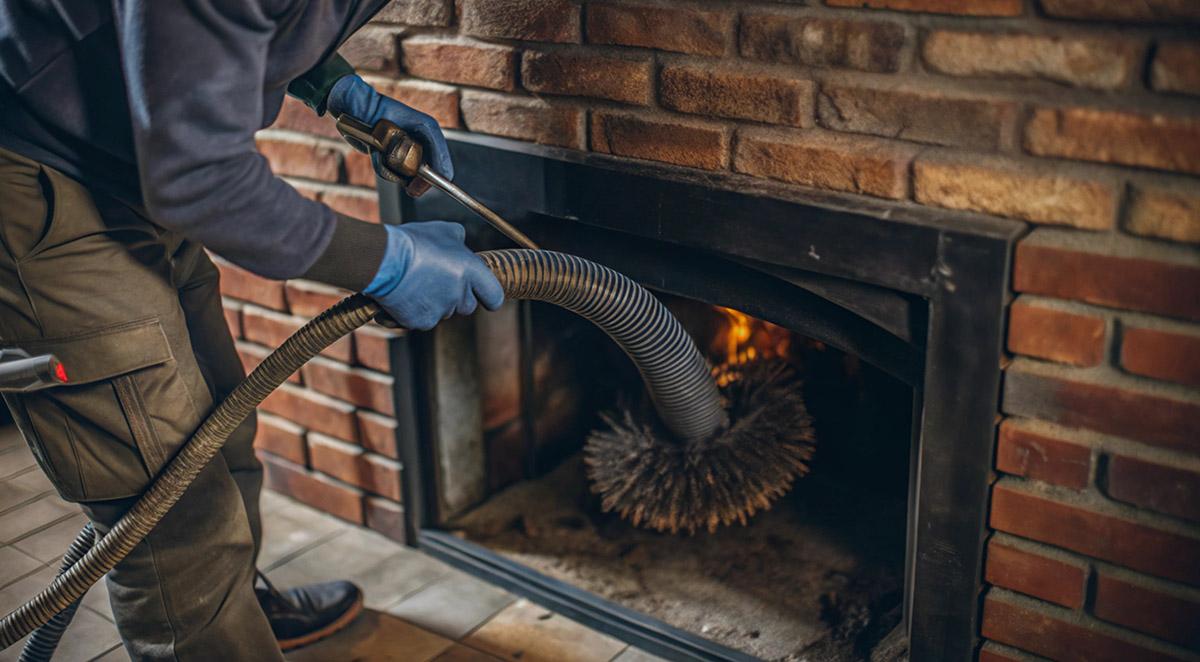
When most homeowners think about chimney maintenance, they focus on preventing chimney fires. While fire prevention is critical, a dirty or poorly maintained chimney poses numerous hidden dangers that can silently compromise your family's health, drain your wallet through energy inefficiency, and create long-term structural problems in your home. At Appalachian Chimney Service, we bring our 27 years of experience to help homeowners understand the complete picture of chimney safety.
The Silent Killer: Carbon Monoxide Risks from Blocked Chimneys
Carbon monoxide is one of the most dangerous chimney-related threats to your family's safety. This colorless, odorless gas kills approximately 430 people in the United States each year, according to the Centers for Disease Control and Prevention (CDC, 2023). Your chimney plays a critical role in preventing carbon monoxide poisoning, but only when it's functioning properly.
How Chimneys Produce Carbon Monoxide Exposure
When you burn wood, gas, pellets, or any other fuel in your fireplace or heating appliance, combustion produces carbon monoxide as a byproduct. In a properly functioning system, this dangerous gas travels up through your chimney and safely disperses into the outdoor air. However, when your chimney becomes blocked or restricted, carbon monoxide has nowhere to go except back into your living spaces.
Common causes of carbon monoxide chimney blockages include:
- Creosote buildup that gradually narrows the flue opening
- Bird nests and animal debris built during spring and summer months
- Structural deterioration from crumbling masonry or collapsed chimney liners
- Improper damper position that prevents proper ventilation
- Ice and snow accumulation creating temporary blockages at the chimney top
Why Carbon Monoxide is Particularly Dangerous
Carbon monoxide binds to hemoglobin in your blood more effectively than oxygen does, preventing your body's cells from receiving the oxygen they need. Because the gas is completely undetectable by human senses, victims often don't realize they're being poisoned until symptoms become severe.
Early symptoms of carbon monoxide exposure often mimic common illnesses:
- Dull, persistent headaches
- Dizziness and lightheadedness
- Nausea and vomiting
- Fatigue and weakness
- Shortness of breath
- Confusion and difficulty concentrating
Carbon monoxide incidents spike dramatically during the heating season. After months of sitting idle, chimneys often harbor hidden blockages that homeowners don't discover until they light their first fire of the season. This is why the National Fire Protection Association recommends annual chimney inspections before each heating season (NFPA-211 Standard).
Indoor Air Quality Impacts of Poor Chimney Function
Beyond carbon monoxide, a malfunctioning chimney degrades your home's overall indoor air quality in numerous ways. Poor air quality affects every breath you take inside your home and can have lasting health consequences.
Particulate Matter and Respiratory Irritants
When your chimney fails to properly ventilate combustion byproducts, fine particulate matter enters your living spaces. These microscopic particles penetrate deep into your lungs and can trigger or worsen respiratory conditions. Research published by the American Lung Association indicates that wood smoke contains numerous toxic and carcinogenic compounds, including benzene, formaldehyde, and polycyclic aromatic hydrocarbons (American Lung Association, 2024).
Vulnerable populations face the greatest risks:
- Children with developing respiratory systems
- Adults with asthma or COPD
- Individuals with cardiovascular conditions
- Pregnant women
- Elderly family members
The Creosote Factor in Air Quality
Creosote doesn't just pose a fire hazard—it actively degrades your home's air quality. As this substance accumulates in your chimney, it can emit unpleasant and potentially harmful odors, especially during humid weather. During summer months when humidity increases, creosote absorbs moisture and becomes particularly pungent. This odor indicates that chemical compounds from the creosote are entering your home's air.
Long-term exposure to these compounds can cause headaches, respiratory irritation, and may contribute to more serious health problems over time. For more, read our blog all about understanding creosote.
Energy Efficiency Losses from Dirty Chimneys
Chimney efficiency problems don't just affect your health—they significantly impact your heating costs and overall home energy performance. A dirty or compromised chimney forces your heating system to work harder, driving up utility bills and reducing system lifespan.
How Chimney Blockages Reduce Heating Efficiency
Your chimney's primary job is creating draft—the upward flow of air that pulls combustion gases out while drawing fresh air in to fuel the fire. When creosote buildup, debris, or structural problems restrict your chimney, draft diminishes. Poor draft means:
- Incomplete combustion: Without adequate airflow, wood burns less completely, producing more smoke, creosote, and fewer BTUs of usable heat
- Heat loss: Blocked chimneys cause your heating appliance to lose heat that should be warming your home
- Longer burn times: Inefficient combustion means burning more fuel to achieve the same level of warmth
- Reduced appliance lifespan: Heating equipment struggling against inadequate ventilation experiences accelerated wear
The Cost of Chimney-Related Inefficiency
Homeowners with poorly maintained chimneys can see heating costs increase by 15-30% compared to systems with clean, properly functioning chimneys. Over a typical Western North Carolina heating season, this inefficiency can translate to hundreds of dollars in wasted fuel costs.
Additionally, accelerated wear on your heating appliance can shorten its functional life by years, forcing premature replacement of expensive equipment.
Air Leaks and Energy Waste
A damaged chimney crown, deteriorated flashing, or a warped damper creates pathways for conditioned air to escape your home year-round. During winter, warm air escapes through chimney openings, forcing your heating system to cycle more frequently. In summer, cool air-conditioned air rises and exits through these same openings.
These air leaks represent what building scientists call the "stack effect"—essentially creating a hole in your home's thermal envelope that continuously bleeds energy and money.
Mold and Moisture Problems from Chimney Issues
Water intrusion through damaged chimneys creates ideal conditions for mold growth, presenting yet another category of hidden health hazards. Chimney-related moisture problems often go undetected for months or years, allowing extensive mold colonization before homeowners recognize the issue.
How Water Enters Through Compromised Chimneys
Masonry chimneys are particularly vulnerable to water damage. Brick and mortar are naturally porous materials that absorb moisture. Without proper protection, water enters through:
- Damaged or missing chimney caps allowing rain and snow direct access
- Deteriorated chimney crowns with cracks that funnel water into the structure
- Failed flashing where the chimney meets the roof
- Spalling bricks and eroded mortar joints
- Unprotected masonry that hasn't been waterproofed
Western North Carolina's climate, with its significant rainfall and freeze-thaw cycles, accelerates chimney water damage. For more on chimney caps, read our blog called “to have or not to have a chimney cap, that is the question”!
The Mold Connection
Moisture inside your chimney creates perfect conditions for mold growth. Mold spores require moisture, oxygen, and organic material to colonize, and chimney systems provide all three. Mold growth inside chimneys often remains hidden from view, but as your chimney operates, air currents distribute mold spores throughout your home's living spaces.
The Institute of Medicine has found sufficient evidence linking indoor mold exposure to upper respiratory tract symptoms, coughing, wheezing, and asthma symptom exacerbation (Institute of Medicine, 2004). People with mold sensitivities may experience chronic sinus infections, persistent coughing, and skin irritation.
Children exposed to mold show increased rates of asthma development and respiratory infections.
The Importance of Proper Ventilation
Understanding how your home ventilation system interacts with your chimney helps explain why proper chimney function matters for overall indoor air quality.
The Chimney's Role in Home Ventilation
Your chimney is a critical component of your home's ventilation system. It creates negative pressure that draws air upward and out of your home while allowing fresh air to enter. This natural ventilation helps maintain healthy indoor air quality by continuously exchanging stale indoor air with fresh outdoor air.
Modern homes present unique ventilation challenges. Today's energy-efficient construction creates much tighter building envelopes than older homes. While this improves energy efficiency, it also reduces natural air exchange. When you add a malfunctioning chimney to a tightly sealed home, pollutants accumulate to dangerous concentrations.
Competing Exhaust Systems
Many homes have multiple exhaust systems: the chimney, bathroom exhaust fans, kitchen range hoods, and clothes dryers. When all these systems operate simultaneously in a tight home, they can create negative pressure that causes your chimney to backdraft—pulling combustion gases back down the flue and into your living spaces.
This phenomenon, called "depressurization," is particularly common in newer homes that have been air-sealed for energy efficiency without consideration for adequate combustion air supply.
Frequently Asked Questions
How often should I have my chimney professionally cleaned and inspected?
The NFPA recommends annual chimney inspections for all chimneys, fireplaces, and vents. Cleaning frequency depends on how heavily you use your system, but most homes with regular fireplace use need cleaning at least once annually. Our annual inspections determine whether cleaning is necessary based on actual creosote accumulation and system condition.
Can I detect carbon monoxide from my chimney without a detector?
No. Carbon monoxide is completely colorless and odorless, making it impossible for humans to detect without specialized equipment. Carbon monoxide detectors are essential safety devices in any home with combustion appliances. Install detectors on every level of your home and near sleeping areas.
What causes that smoky smell in my house even when I'm not using the fireplace?
Chimney odors between uses typically result from creosote deposits absorbing moisture during humid weather. As humidity increases, creosote becomes more volatile and releases odors into your home. This indicates significant creosote accumulation that requires professional cleaning. Additionally, check that your damper is fully closed when the fireplace is not in use.
How do I know if my chimney is causing poor indoor air quality?
Warning signs include respiratory symptoms that worsen when using your fireplace, visible smoke entering your home during fires, persistent chimney odors, increased allergy or asthma symptoms during the heating season, and recurring sinus infections among family members. If you notice these patterns, schedule a professional inspection.
Does a gas fireplace need the same level of maintenance as a wood-burning fireplace?
While gas fireplaces produce less creosote than wood-burning systems, they still require annual inspection and maintenance. Gas combustion produces carbon monoxide and water vapor, both of which can create safety hazards if not properly vented. Blocked gas appliance vents pose the same carbon monoxide risks as blocked wood-burning chimneys. For more, read our complete guide to wood-burning fireplaces.
What's the connection between chimney problems and high heating bills?
Chimney problems affect heating efficiency in several ways. Creosote buildup and blockages reduce draft, causing incomplete combustion and heat loss. Damaged chimney crowns, failed flashing, or warped dampers allow heated air to escape continuously. Poor draft forces your heating appliance to work harder and burn more fuel to achieve the same level of warmth.
Can mold in my chimney make my family sick?
Yes. Mold growing inside your chimney releases spores that circulate throughout your home. Mold exposure can trigger allergic reactions, asthma symptoms, respiratory infections, and other health problems. Water intrusion through damaged chimney components creates the moisture conditions necessary for mold growth. Addressing water damage and properly waterproofing your chimney prevents mold colonization.
Take Action to Protect Your Family
These dangers are entirely preventable through regular professional inspection, timely cleaning, and appropriate repairs. At Appalachian Chimney Service, our educational approach ensures you understand not just what needs to be done, but why it matters for your family's safety and wellbeing.
Schedule your professional chimney inspection today and gain peace of mind knowing that your chimney is protecting rather than threatening your family's health. Our highly trained technicians with over 27 years of experience will provide the thorough assessment your home deserves, complete with visual documentation and clear explanations of any concerns we identify.