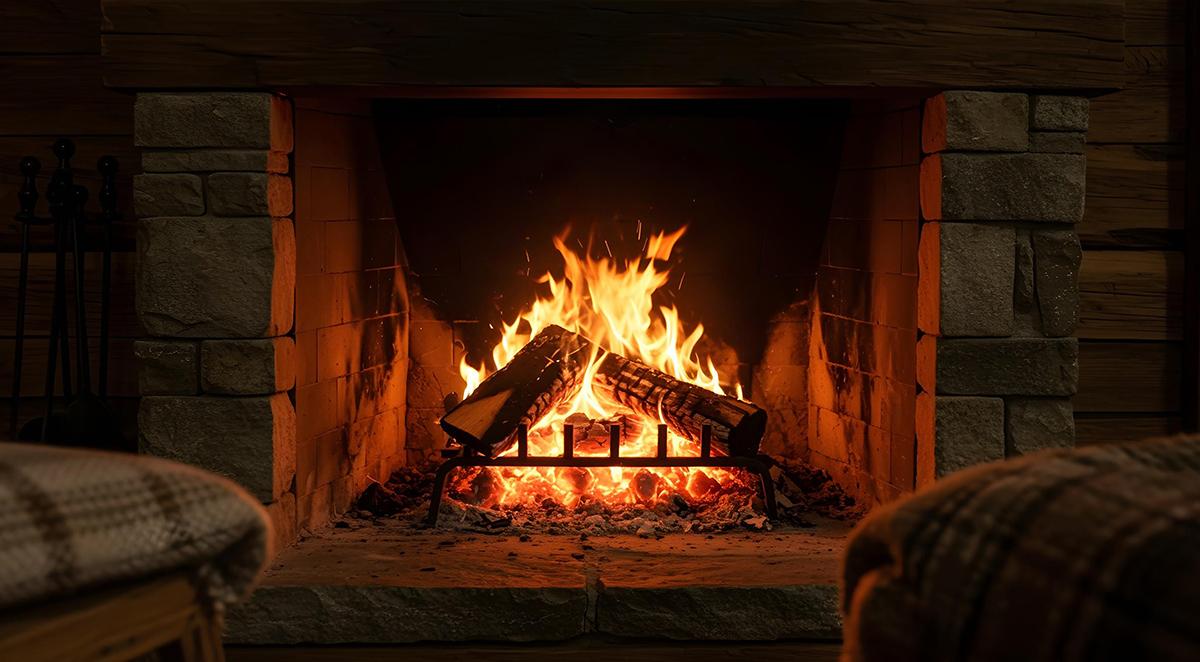
There's nothing quite like the warm glow and comforting crackle of a wood-burning fireplace on a cold winter evening. As the temperatures drop across Western North Carolina, many homeowners are preparing their fireplaces for the season ahead. Whether you're a seasoned fireplace enthusiast or new to the world of wood burning, this guide will help you understand how to select, maintain, and safely operate your wood-burning fireplace.
Types of Wood-Burning Fireplaces and Their Differences
Not all wood-burning fireplaces are created equal. Understanding the different types can help you make informed decisions about installation, maintenance, and operation.
Traditional Open Masonry Fireplaces
The classic open hearth fireplace is what most people envision when thinking about wood-burning fireplaces. These are constructed of brick, stone, or other masonry materials and feature:
- An open combustion chamber where wood is burned
- A chimney to exhaust smoke and gases
- Often decorative mantels and hearths
- Traditional aesthetic appeal
While beautiful and traditional, open masonry fireplaces are typically only 10-15% efficient, with much of the heat escaping up the chimney rather than warming your home.
Fireplace Inserts
Designed to fit into existing masonry fireplaces, inserts are essentially wood stoves that sit inside your fireplace opening. They offer:
- Significantly improved efficiency (up to 65-80%)
- Closed combustion systems with glass doors
- Better heat output and temperature control
- Reduced air leakage from your home
- Often include blowers to circulate warm air
These are excellent options for upgrading an inefficient open fireplace without major reconstruction.
Factory-Built Fireplaces (Zero-Clearance)
These prefabricated units are designed to be installed almost anywhere in the home, even against combustible materials:
- Lightweight metal construction with insulation
- Can be installed during construction or renovation
- More affordable than building a masonry fireplace
- Available in various styles and sizes
- Moderately efficient compared to traditional open fireplaces
High-Efficiency Wood Fireplaces
Modern engineered fireplaces combine the ambiance of traditional fireplaces with advanced technology:
- Advanced combustion systems for cleaner burning
- Secondary combustion chambers that burn gases and particulates
- Efficiency ratings of 70-80%
- EPA certification for low emissions
- Heat exchangers to maximize warmth
Best Wood Species for Burning and Why
The type of wood you burn significantly impacts your fireplace's performance, heat output, and maintenance needs. Our highly trained technicians recommend selecting the right wood based on several factors.
Hardwoods vs. Softwoods
Hardwoods (from deciduous trees) are generally superior for regular fireplace use:
- Higher density means more potential heat per volume
- Longer burning times
- Less creosote production
- Fewer sparks and less popping
- Examples: oak, hickory, maple, ash, beech
Softwoods (from coniferous trees) are better for kindling and starting fires:
- Easier to ignite
- Burns quickly and hot
- More resin content creates more creosote
- More likely to spark and pop
- Examples: pine, spruce, fir, cedar
Top Fireplace Woods for Western North Carolina
- Oak - Provides excellent heat output, burns slowly, and creates lasting coals
- Hickory - One of the hottest-burning woods with a pleasant aroma
- Maple - Burns cleanly with moderate heat and minimal smoke
- Ash - Easy to split, burns well even when not completely seasoned
- Cherry - Medium heat output with a pleasant fragrance
Woods to Avoid
- Pressure-treated or painted wood - Releases toxic chemicals when burned
- Pine (as primary firewood) - High sap content leads to increased creosote buildup
- Green/unseasoned wood - Creates excessive smoke and creosote
- Driftwood - Salt content can damage your chimney and release toxic chlorine compounds
- Endangered or protected species - Both illegal and unethical to harvest
Proper Wood Storage and Seasoning Techniques
Properly seasoned wood is crucial for efficient burning and reduced creosote buildup. Here's how to prepare and store your firewood:
Seasoning Process
- Cut and split logs to the appropriate size for your fireplace
- Stack wood in a way that allows air circulation around each piece
- Keep wood elevated off the ground using pallets or a rack
- Cover the top of the stack but leave sides open for airflow
- Allow sufficient time - hardwoods typically need 12-18 months to properly season
Storage Guidelines
- Store firewood at least 30 feet from your home (helps prevent pest infestations)
- Position your wood stack in a sunny, breezy location when possible
- Arrange logs bark-side up in the top layer to shed water
- Bring in small amounts of wood as needed rather than storing large quantities indoors
- Consider building or purchasing a dedicated wood storage shed
How to Tell If Wood Is Properly Seasoned
- Visible cracks in the end grain
- Darkened color compared to freshly cut wood
- Loose or peeling bark
- Lightweight feel compared to green wood
- Hollow sound when pieces are knocked together
- Low moisture content (ideally below 20%)
Starting and Maintaining an Efficient Fire
Creating an efficient fire is both an art and a science. Follow these steps for optimal results:
Building the Perfect Fire
- Ensure proper ventilation by opening the damper fully
- Create a base layer of crumpled newspaper or commercial fire starters
- Add small kindling (dry twigs, small split softwood pieces) in a crisscross pattern
- Arrange medium-sized pieces above the kindling
- Leave space between logs for airflow
- Light the fire at multiple points from the bottom
- Add larger logs only once the fire is well-established
The Top-Down Fire Method
Many of our highly trained technicians recommend the top-down (or upside-down) fire building method:
- Place your largest logs on the bottom of the fireplace, parallel to each other
- Add a layer of medium logs perpendicular to the first layer
- Add a third layer of small kindling
- Top with twisted newspaper or fire starters
- Light the top materials and let the fire burn downward
This method produces less smoke during startup and requires less tending.
Maintaining the Burn
- Add new logs before the fire burns down to embers
- Position new logs carefully to maintain airflow
- Adjust the damper to control burn rate and heat output
- Maintain a bed of hot coals for consistent heat
Common Mistakes That Lead to Poor Performance
Even experienced fireplace users can fall into habits that reduce efficiency and increase risk. Avoid these common errors:
- Burning unseasoned wood - Creates excessive smoke, reduced heat, and creosote buildup
- Overfilling the fireplace - Restricts airflow and can lead to incomplete combustion
- Closing the damper too soon - Can force carbon monoxide into your home
- Neglecting regular cleaning - Reduces efficiency and increases fire hazard
- Using improper fire starters - Newspaper is fine, but never use gasoline, kerosene, or charcoal lighter
- Leaving fires unattended - Always extinguish fires completely before leaving home or going to bed
- Burning trash or treated materials - Creates toxic emissions and damages your chimney
Here is your pre-winter checklist for chimneys.
Maintenance Schedule for Wood-Burning Fireplaces
Following a regular maintenance schedule is essential for safety and efficiency. According to NFPA-211 standards, our highly trained technicians recommend:
Before Burning Season (Late Summer/Early Fall)
- Schedule professional chimney inspection and cleaning
- Check chimney cap and screen for damage
- Examine damper for proper operation
- Inspect chimney crown and flashing for cracks or leaks
- Test smoke and carbon monoxide detectors
During Burning Season (Fall/Winter)
- Clear ashes when they reach 1-2 inches deep
- Visually inspect the chimney exterior after storms
- Check for smoke stains around the chimney (indicates leakage)
- Monitor for excessive creosote buildup
- Keep combustibles away from the fireplace
After Burning Season (Spring)
- Have another professional cleaning to remove seasonal creosote
- Close the damper to prevent drafts and animal entry
- Consider installing a chimney cap if you don't have one
- Repair any minor damage before it worsens
- Address any moisture issues promptly
If you notice signs that your fireplace needs maintenance, it's essential to schedule a professional inspection immediately. At Appalachian Chimney Service, we utilize various methods to remove creosote, depending on its stage and severity.
Safety Practices Based on IRC and NFPA-211 Standards
Safety must always be the priority when operating a wood-burning fireplace. The International Residential Code (IRC) and National Fire Protection Association (NFPA) Standard 211 provide comprehensive guidelines:
Essential Safety Equipment
- Properly installed smoke detectors on every level of your home
- Carbon monoxide detectors near sleeping areas
- Appropriate fire extinguisher (rated for wood fires) nearby
- Heat-resistant gloves for handling logs and tools
- Proper fireplace tools (poker, shovel, brush, tongs)
Safe Operation Practices
- Maintain proper clearances for combustible materials (typically 36 inches from the fireplace opening)
- Use a properly sized screen or glass doors to prevent spark escape
- Never leave children or pets unattended near a fire
- Dispose of ashes in a metal container with a tight-fitting lid, stored outside away from structures
- Have an emergency plan in case of chimney fire
- Never use flammable liquids to start or accelerate a fire
Chimney Fire Warning Signs
Being able to recognize a chimney fire could save your home. Watch for:
- Loud cracking or popping sounds
- Dense smoke from the chimney
- Intense smell
- Roaring sound similar to a freight train or airplane
- Flames or dense smoke coming from the top of the chimney
If you suspect a chimney fire, get everyone out of the house immediately, call 911, and then attempt to cut off the fire's air supply by closing the damper if it's safe to do so.
FAQ Section on Wood Fireplace Operation
How often should I have my chimney professionally cleaned?
The NFPA recommends annual inspections and cleaning when creosote buildup reaches 1/8 inch thickness. Homes using their fireplaces frequently (more than 3 times per week during winter) may require more frequent cleaning.
Can I install a wood-burning fireplace myself?
Installation of any fireplace or chimney system should be performed by qualified professionals familiar with building codes. Improper installation can lead to house fires, carbon monoxide poisoning, and invalidated home insurance.
Why does my fireplace smoke back into the room?
Smokeback can occur for various reasons: cold chimney, improper chimney height, house depressurization, or blockages. Try warming the flue by holding a lit rolled newspaper up in the damper area before starting your fire to establish proper draft.
How much wood should I store for the winter?
A cord of wood measures 4' x 4' x 8' (128 cubic feet). Most homes using wood as a supplemental heat source will use 2-3 cords per heating season. Plan accordingly based on your usage patterns.
Is it safe to leave embers overnight?
No, fires should never be left burning when you go to sleep or leave the house. Always fully extinguish the fire, close the glass doors if equipped, and leave the damper open until all embers are completely out.
How can I tell if my chimney needs relining?
Signs include: visible cracks in the flue, pieces of flue tile in the fireplace, white staining on exterior masonry, or a failed inspection report. If your home is older than 50 years and has never had the chimney relined, it's worth having it evaluated.
What's the best way to remove ashes from my fireplace?
Wait until ashes are completely cool (at least 24 hours after the last fire). Use a metal shovel to transfer them to a metal container with a tight-fitting lid. Store the container outside, away from anything combustible, until proper disposal.
Conclusion
Properly maintained wood-burning fireplaces provide warmth and a gathering point for family and friends during cold North Carolina evenings. By following these guidelines for selection, operation, and maintenance, you can enjoy the timeless comfort of a wood fire while ensuring the safety of your home and loved ones. For professional assistance with any aspect of your wood-burning fireplace, Contact us today.