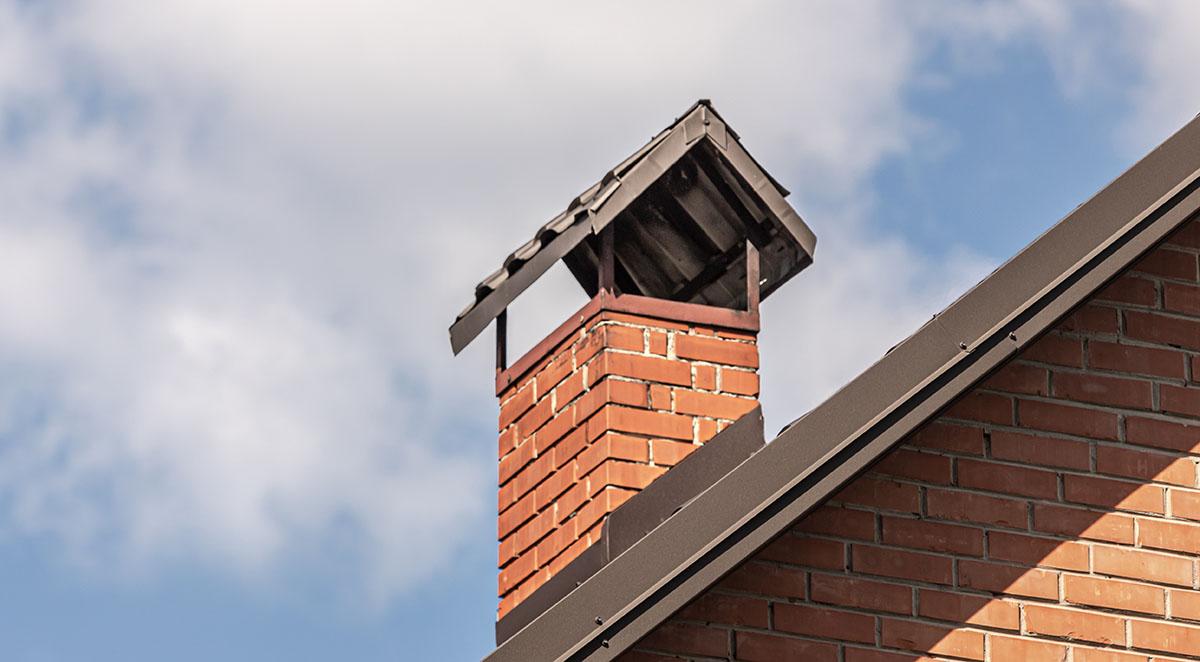
Holiday memories of families together around warm, crackling fires can be cherished for a lifetime. But the holidays also bring high chimney fire risk because increased fireplace usage coincides with family gatherings and holiday celebrations. At Appalachian Chimney Service, we believe that knowledge is your best defense against chimney-related dangers, so in this blog we will help you understand how to protect your family and home from chimney fires.
The Reality of Winter Season Chimney Fires
Alarming Statistics About Winter Chimney Fires
The National Fire Protection Association (NFPA) reports sobering statistics about chimney fires during the winter months. December, January, and February account for nearly 60% of all heating-related home fires annually. According to the Chimney Safety Institute of America (CSIA), chimney fires cause over $125 million in property damage annually in the United States.
During the winter season, emergency services respond to chimney fire calls at rates 300% higher than summer months. The most concerning aspect is that many winter chimney fires are entirely preventable with proper maintenance and awareness. Research shows that 80% of chimney fires result from creosote buildup that could have been addressed through professional cleaning and inspection.
Why Holiday Season Increases Fire Risk
Several factors contribute to increased chimney fire risk during the holidays:
- Increased Usage Frequency: Fireplaces see daily use after months of sitting unused
- Cold Weather Conditions: Western North Carolina's winter weather promotes rapid creosote formation
- Holiday Decorating Hazards: Decorations placed too close to fireplace openings create new fire hazards
- Extended Burning Periods: Holiday gatherings mean fires burn longer, increasing heat stress on chimney components
Recognizing the Warning Signs of a Potential Chimney Fire
Immediate Danger Signs During a Fire
Understanding chimney fire signs can help you respond quickly if a fire occurs. Some chimney fires are dramatic and obvious, while others burn slowly and may go unnoticed until significant damage occurs.
Visible and Audible Signs:
- Loud cracking, popping, or rumbling sounds coming from the chimney
- Dense, dark smoke emerging from the top of the chimney
- A strong, acrid smell throughout the house
- White staining on the exterior of the masonry chimney (efflorescence)
- Warped or discolored metal damper, metal smoke chamber connector, or metal chimney cap
- Cracks in exterior masonry or damage to roofing materials near the chimney
Subtle Warning Signs of Previous Fires:
- Discolored or distorted rain cap or spark arrestor
- Creosote flakes or chunks in the fireplace or on the roof
- Cracks in flue tiles visible during inspection
- White staining on the outside of your chimney structure
- Rust-damaged damper or firebox
- Evidence of heat damage to nearby roofing materials
Pre-Fire Conditions That Increase Risk
Certain conditions significantly increase your risk of experiencing a chimney fire during the holiday season. Being aware of these factors helps you take preventive action before dangerous situations develop.
Creosote Buildup Indicators:
- Strong odors coming from the fireplace, especially during humid weather
- White staining appearing on exterior chimney masonry
- Rust on the damper or firebox
- Damaged chimney crown or deteriorating mortar joints
- Animals or birds that avoid your chimney area
Operational Warning Signs:
- Difficulty starting fires or keeping them burning well
- Smoke entering your room instead of going up the chimney
- Dampers that don't open and close properly
- Unusual sounds when wind blows across the chimney top
Our complete guide to wood-burning fireplaces describes maintenance and safety specifically for this kind of fireplace.
Emergency Response: What to Do During a Suspected Chimney Fire
Immediate Actions for Safety
If you suspect a chimney fire is occurring, your immediate response can prevent a house fire and protect your family. Time is critical, and having a clear action plan helps you respond effectively under stress.
Step-by-Step Emergency Response:
- Alert Everyone in the House: Immediately notify all family members and guests of the potential emergency. Ensure everyone knows the evacuation plan.
- Call 911: Contact the fire department immediately, even if you think you can handle the situation. Professional firefighters have specialized equipment and training for chimney fires.
- Close the Fireplace Damper: If possible and safe to do so, close the damper to reduce the air supply to the fire. However, do not risk injury by getting too close to the fireplace.
- Exit the House: Move everyone outside to a safe location away from the structure. Chimney fires can spread rapidly to the roof and attic areas.
- Use a Garden Hose on the Roof (If Safe): Only if you have safe roof access and proper ladder safety equipment should you consider spraying water on the exterior of the chimney. Never attempt this alone or in dangerous weather conditions.
Post-Fire Safety Measures
After a chimney fire, never assume your fireplace is safe to use again without a thorough professional inspection. Even seemingly minor chimney fires can cause hidden structural damage that creates ongoing safety hazards.
Essential Post-Fire Steps:
- Schedule an immediate Level 2 inspection with our highly trained technicians
- Document all visible damage with photographs for insurance purposes
- Do not use the fireplace until cleared by a professional inspection
- Check your attic and surrounding areas for any signs of heat damage or ember intrusion
- Contact your insurance company to report the incident
The Critical Role of Professional Inspections
How Professional Inspections Prevent Fires
Professional chimney inspections are your most effective defense against winter chimney fires. At Appalachian Chimney Service, our inspection process follows IRC and NFPA-211 standards to identify potential hazards before they become dangerous situations.
What Our Inspections Reveal:
Our highly trained technicians can identify issues that homeowners typically miss during casual visual checks. We look for creosote buildup patterns, structural damage, and clearance violations that create fire hazards. Our approach is 10% actual work and 90% education, meaning we help you understand exactly what we find and why it matters for your safety.
Documentation and Evidence:
We provide detailed visual evidence, including photos and camera inspection footage, showing exactly what we discover during our evaluations. This documentation helps you understand the current condition of your chimney system and make informed decisions about necessary maintenance or repairs.
Inspection Timing Guidelines:
- Schedule Level 1 inspections annually before the heating season
- Request Level 2 inspections if you've made any changes to your heating system
- Consider additional inspections if you've purchased a new home or experienced any unusual issues
Here is your pre-winter checklist for chimneys.
Holiday-Specific Safety Tips
Decoration Safety Around Fireplaces
Holiday decorating creates unique fire hazards that don't exist during other times of the year. Understanding proper clearances and safe decorating practices helps you maintain festive atmospheres without compromising safety.
Safe Decorating Practices:
- Maintain at least 36 inches of clearance between any decorations and fireplace openings
- Use flame-resistant or treated materials for any decorations near heating areas
- Avoid hanging stockings or garlands directly over active fireplace openings
- Choose LED lights over traditional incandescent bulbs for decorations near heat sources
- Secure all decorations to prevent them from falling into fireplace areas during use
Seasonal Considerations for Increased Usage:
Holiday gatherings often mean longer burning periods and more frequent fireplace use than your chimney system typically handles. This increased demand requires additional attention to safety practices and maintenance schedules.
Guidelines for Heavy Usage Periods:
- Allow complete cooling between fires when possible
- Monitor fireplace performance more closely during high-use periods
- Keep fire sizes appropriate for your fireplace dimensions
- Ensure adequate ventilation in rooms with active fireplaces during parties or gatherings
If you notice signs that your fireplace needs maintenance, it's essential to schedule a professional inspection immediately. At Appalachian Chimney Service, we utilize various methods to remove creosote, depending on its stage and severity.
The Essential Role of Chimney Caps and Dampers
How Proper Equipment Prevents Fires
Chimney caps and dampers play crucial roles in fire prevention and overall chimney safety. These components work together to control airflow, prevent debris accumulation, and protect your chimney system from weather-related damage.
Chimney Cap Functions for Fire Safety:
A properly installed chimney cap serves multiple fire prevention functions. It keeps precipitation out of your chimney, preventing water damage that can create hazardous conditions. The spark arrestor screen prevents burning embers from escaping and potentially igniting roofing materials or nearby vegetation.
Damper Contributions to Safety:
Functional dampers control airflow through your chimney system, ensuring proper draft for efficient combustion and smoke removal. Properly operating dampers also prevent heat loss when your fireplace isn't in use, reducing energy costs and preventing condensation that can contribute to creosote formation.
Signs of Cap and Damper Problems
Regular inspection of these critical components helps identify issues before they compromise your safety. Common problems with caps and dampers often develop gradually and may not be immediately obvious to homeowners.
Cap Problem Indicators:
- Rust or corrosion on metal components
- Damaged or missing spark arrestor screens
- Loose or improperly secured mounting systems
- Cracked or deteriorated chimney crowns affecting cap installation
Damper Issue Signs:
- Difficulty opening or closing damper controls
- Visible rust or warping on damper components
- Cold air drafts when fireplace isn't in use
- Smoke entering your room during fireplace operation
Insurance Considerations and Protection
Understanding Coverage for Chimney Fires
Homeowner's insurance coverage for chimney fires varies significantly depending on the cause of the fire and your policy specifics. Understanding your coverage and documentation requirements helps ensure you're properly protected and can successfully file claims if needed.
Typical Coverage Scenarios:
Most homeowner's insurance policies cover chimney fires that result from sudden and accidental causes, such as structural failures or manufacturing defects. However, coverage may be limited or denied if the fire results from lack of maintenance or neglect of known hazards.
Documentation for Insurance Claims:
- Annual inspection records from qualified professionals
- Maintenance and cleaning receipts
- Before-and-after photos of any damage
- Professional reports detailing the cause and extent of damage
- Records of any previous chimney work or repairs
Proactive Measures to Protect Coverage
Taking proactive steps to maintain your chimney system not only prevents fires but also helps ensure you maintain proper insurance coverage and can successfully file claims if incidents occur.
Recommended Documentation Practices:
- Keep detailed records of all chimney maintenance and inspections
- Document any professional recommendations and your response to them
- Photograph your chimney system periodically to show proper maintenance
- Maintain receipts for all chimney-related services and repairs
Frequently Asked Questions About Fire Prevention
How often should I have my chimney cleaned during heavy usage?
The NFPA recommends cleaning when creosote buildup reaches 1/8 inch thickness. For most households with regular use, annual cleaning is sufficient, but heavy usage may require mid-season inspections.
What should I do if I smell smoke in my house during fireplace use?
Stop using the fireplace immediately, ensure the damper is fully open, and check for obstructions. If problems persist, contact us for emergency inspection.
Can I use my fireplace safely during holiday parties?
Yes, with additional precautions: ensure adequate ventilation, keep decorations at safe distances, designate someone to monitor the fireplace, and have fire extinguishers accessible.
How do I know if my chimney cap needs replacement?
Inspect for rust, damaged screens, loose hardware, or visible deterioration. Schedule professional evaluation if you notice any issues before heavy holiday usage.
What's the difference between chimney fire sounds and normal fireplace sounds?
Normal operation produces gentle crackling. Chimney fires create loud rumbling or roaring sounds, often compared to freight trains, plus dense smoke and strong odors.
Protect Your Home
Winter should be a time of warmth and family gatherings around your fireplace. By understanding risks, recognizing warning signs, and taking proactive safety measures, you can enjoy your fireplace safely throughout the festivities.
At Appalachian Chimney Service, we're committed to helping Western North Carolina families enjoy safe fireplace operation year-round. Our educational approach ensures you have the knowledge needed to make informed decisions about your chimney system's safety. Contact us today to schedule your inspection and ensure your fireplace is ready for safe, enjoyable use throughout the season.