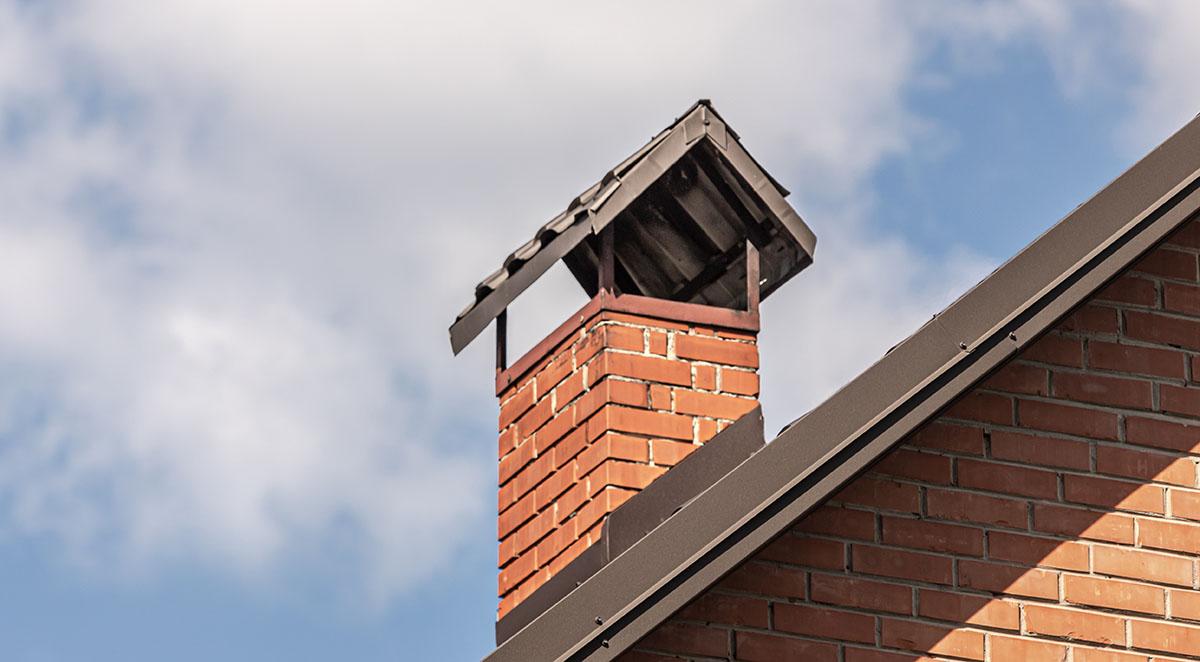
 A properly lined chimney is essential for the safety and efficiency of your heating system. When your chimney liner fails, serious safety concerns can arise that affect your entire home. At Appalachian Chimney Service, we provide expert chimney relining services, and our approach follows IRC and NFPA-211 requirements, exceeding current building codes while providing reliable protection for your family and property.
Understanding Chimney Liner Function and Importance
The Critical Role of Chimney Liners
Your chimney liner serves as the essential barrier between hot exhaust gases and the structure of your home. This protective system directs combustion byproducts safely out of your house while preventing heat transfer to combustible materials within your home's framework. Without a properly functioning liner, your chimney system cannot operate safely or efficiently.
Modern building codes require lined chimneys for good reason. The liner protects your chimney's masonry structure from the corrosive effects of combustion byproducts, prevents dangerous heat transfer to surrounding materials, and ensures proper draft for efficient operation. When liners fail, the entire heating system becomes compromised, creating risks that extend far beyond simple operational problems.
Why Proper Lining Is Non-Negotiable
Fire Prevention: A damaged or missing liner allows heat to transfer directly to combustible materials in your home's structure, creating serious fire hazards that may not be immediately visible.
Carbon Monoxide Protection: Cracked liners can allow poisonous gases to seep into living spaces through gaps in the masonry, creating deadly carbon monoxide exposure risks.
Structural Preservation: Corrosive byproducts from combustion can deteriorate chimney masonry from the inside out when liners fail, leading to expensive structural repairs.
Code Compliance: Unlined or improperly lined chimneys fail to meet modern building codes, creating issues for insurance coverage and property sales.
Operational Efficiency: Properly sized and installed liners ensure optimal draft, improving heating performance and reducing fuel consumption.
Signs Your Chimney Needs Relining
Visible Indicators of Liner Failure
Recognizing when your chimney needs relining can prevent serious safety hazards and expensive repairs. Our highly trained technicians regularly identify these warning signs during inspections:
Structural Evidence:
- Visible cracks or deterioration in existing clay tile liners
- Pieces of flue tile appearing in your fireplace or around your stove
- White or gray staining on exterior chimney masonry (efflorescence)
- Rust stains or corrosion on metal components
- Damaged or deteriorated chimney crown allowing water infiltration
Operational Problems:
- Poor draft performance affecting heating efficiency
- Smoke entering your home during fireplace or stove operation
- Strong odors coming from your fireplace when not in use
- Difficulty maintaining consistent fires
- Increased heating costs due to poor system efficiency
Types of Chimney Liners We Install
Stainless Steel Liners: The Premium Choice
Stainless steel chimney liner systems represent the gold standard for most residential applications in our region's challenging climate conditions. These systems offer superior durability, versatility, and performance across a wide range of heating applications.
Rigid Stainless Steel Systems:
- Best for straight chimneys without offsets or significant turns
- Provides maximum durability and longevity
- Excellent for high-temperature wood-burning applications
- Available with lifetime warranties from leading manufacturers
Flexible Stainless Steel Systems:
- Ideal for chimneys with offsets, turns, or irregular configurations
- Easier installation in challenging chimney geometries
- Suitable for wood, gas, oil, and pellet appliances
- Maintains structural integrity while accommodating chimney irregularities
Specialized Liner Applications
Heavy-Wall Stainless Steel: Our premium heavy-wall stainless steel liners provide enhanced durability for the most demanding applications, including high-efficiency wood stoves and commercial heating systems.
Aluminum Liners: For specific medium to low-temperature applications, aluminum liners offer cost-effective solutions for certain gas appliances. However, these systems have limited applications and are not suitable for wood-burning appliances or high-temperature operations.
Insulation and Support Systems
Proper liner installation includes appropriate insulation and support systems. We use high-temperature vermiculite insulation around liner systems when required, improving performance and meeting code requirements for specific installations. Our support systems ensure liners remain properly positioned throughout their service life.
The Appalachian Chimney Service Relining Process
Comprehensive Assessment and Planning
Every relining project begins with thorough evaluation of your existing chimney system. Our process starts with detailed inspection using advanced video technology to assess current conditions and determine the most appropriate solution for your specific situation.
Initial Evaluation Steps:
- Complete System Inspection: We examine your entire chimney system from top to bottom, identifying structural issues, clearance problems, and compatibility concerns.
- Appliance Assessment: We evaluate your heating appliance to determine proper liner sizing and material requirements based on manufacturer specifications and code requirements.
- Code Compliance Review: All recommendations align with current IRC and NFPA-211 standards, ensuring your installation meets or exceeds safety requirements.
- Custom Solution Development: We design liner systems specifically for your chimney configuration and heating needs, avoiding one-size-fits-all approaches.
Professional Installation Process
Our installation process strives to achieve long-lasting results while minimizing disruption to your home:
Preparation Phase:
- Complete protection of your home's interior with professional-grade coverings
- Careful removal of existing damaged liner materials
- Thorough cleaning of chimney structure to prepare for new installation
Installation Phase:
- Precise measurement and fitting of new liner components
- Professional installation with proper connections and support systems
- Integration of required insulation and structural modifications
- Complete sealing and weatherproofing of all connections
Final Verification:
- Comprehensive testing of completed installation
- Performance verification to ensure proper draft and operation
- Complete documentation with before-and-after photographic evidence
- System operation instruction for homeowners
Benefits of Proper Chimney Lining
Immediate Safety Improvements
Professional relining provides immediate safety benefits that protect your family and property:
- Enhanced Fire Protection: Proper heat containment prevents dangerous heat transfer to combustible materials
- Carbon Monoxide Prevention: Sealed systems eliminate gas leakage into living spaces
- Structural Protection: Corrosion resistance preserves your chimney's masonry structure
- Weather Protection: Improved water resistance prevents freeze-thaw damage
Long-Term Performance Advantages
Quality relining systems provide lasting benefits that improve your heating system's performance:
Efficiency Gains:
- Improved draft performance reduces fuel consumption
- Better heat retention increases heating effectiveness
- Reduced maintenance requirements lower long-term costs
- Enhanced system reliability provides consistent performance
Property Value Protection:
- Code compliance maintains insurability and marketability
- Professional documentation supports property value
- Warranty protection provides long-term peace of mind
- Modern safety features meet buyer expectations
Frequently Asked Questions About Relining
How long does chimney relining take to complete?
Most residential relining projects require one to two days for completion, depending on chimney height, complexity, and access conditions. Simple straight installations often complete in a single day, while complex configurations or additional masonry work may extend the timeline. We provide realistic scheduling estimates during our initial assessment and keep homeowners informed throughout the process.
What warranty coverage do you provide on relining work?
We offer manufacturer warranties on all liner materials, with many stainless steel systems including lifetime warranties against defects. Our installation work includes comprehensive workmanship guarantees, and we provide complete documentation for all warranty coverage. Warranty terms vary by product and application, which we explain in detail during project planning.
Can relining fix all chimney draft problems?
Relining resolves most draft issues related to improper sizing, damaged liners, or structural problems within the chimney. However, some draft problems result from external factors like nearby trees, buildings, or unusual wind patterns that relining cannot address. Our assessment identifies the specific causes of draft problems and recommends appropriate solutions.
How do I know what size liner my chimney needs?
Proper liner sizing depends on your heating appliance's requirements, chimney height, and installation configuration. We calculate appropriate sizing based on manufacturer specifications, code requirements, and performance optimization. This technical determination requires professional evaluation and cannot be accurately estimated without detailed assessment.
Is relining more cost-effective than chimney rebuilding?
Relining typically costs significantly less than complete chimney rebuilding while providing comparable safety and performance benefits. However, severely damaged chimneys may require structural repairs or rebuilding regardless of liner installation. Our assessment determines whether relining provides a viable solution or if more extensive work is necessary.
Frequently Asked Questions About Outdoor Fire Features
Do outdoor fireplaces require liner systems?
Outdoor fireplaces and fire features typically require different approaches than indoor installations, depending on their construction and fuel type. Masonry outdoor fireplaces may need liner systems for safety and performance, while manufactured outdoor units often include integrated venting systems. We evaluate each outdoor installation to determine appropriate safety measures and code compliance requirements.
Can you install liners in outdoor kitchen chimneys?
Outdoor kitchen applications often require specialized liner systems designed for grease resistance and high-temperature operations. These installations must meet commercial code requirements and include appropriate cleaning access and fire suppression considerations. We design custom solutions for outdoor cooking applications that ensure safety and regulatory compliance.
What maintenance do outdoor fire feature liners require?
Outdoor installations face more severe weather exposure, requiring enhanced maintenance schedules and weather-resistant materials. Regular inspection for weather damage, proper drainage, and seasonal preparation help ensure long-term performance. We provide specific maintenance guidance based on your installation's exposure and usage patterns.
Frequently Asked Questions About Gas Fireplaces
Do gas fireplaces need special liner materials?
Gas appliances require liner materials specifically rated for gas combustion products, which differ from wood-burning applications. Stainless steel liners designed for gas use provide appropriate corrosion resistance and temperature ratings. Aluminum liners may be suitable for certain low-temperature gas applications, but stainless steel offers superior longevity and versatility.
Can I convert my wood fireplace to gas with new lining?
Converting wood-burning systems to gas typically requires new liner installation sized appropriately for the gas appliance. Gas systems need different sizing calculations than wood applications, and proper conversion includes gas line installation, appliance mounting, and appropriate venting. We coordinate all aspects of conversion projects to ensure safe, code-compliant installations.
How does gas fireplace relining differ from wood stove relining?
Gas appliance relining typically involves smaller diameter liners and different installation techniques than wood-burning systems. Gas systems require precise sizing for proper operation and safety, while wood systems need heavy-duty materials for high-temperature resistance. Both applications require professional assessment to determine appropriate materials and installation methods.
Invest in Safety and Efficiency Today
A properly lined chimney is essential protection for your home and family. When you choose Appalachian Chimney Service for your relining needs, you're investing in technical expertise, quality materials, and professional installation that meets the highest industry standards. Don't compromise on chimney safety. Contact us today to schedule your professional chimney assessment and discuss your relining options with our highly trained technicians.